
Finding the best fishing gloves comes down to what you’re actually doing on the water – handling braided line and sharp hooks demands cut resistance, while long days in open sun call for UPF-rated coverage that keeps your hands cool instead of cooked. After testing and researching options across both categories, three gloves consistently rose to the top: the Schwer CR3009 ANSI A7 Cut Resistant Gloves for serious cut protection, the KastKing Sol Armis for sun defense without sacrificing feel, and the SUJAYU Fingerless UV Gloves for budget-friendly UV coverage on kayak and freshwater trips. Here’s exactly what each one does well, where it falls short, and which type of angler will get the most out of it.
Quick Comparison
| # | Product | Key Features | Score | |
|---|---|---|---|---|
| 1 |
 Schwer CR3009 ANSI A7 Cut Resistant Gloves 2-Pack
|
|
8.2 ★★★★☆ | Check Price on Amazon Read full review ↓ |
| 2 |
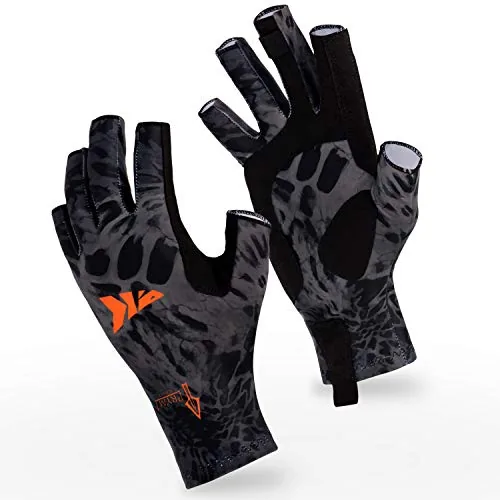 KastKing Sol Armis UPF50+ Fingerless Fishing Sun Gloves
|
|
8.2 ★★★★☆ | Check Price on Amazon Read full review ↓ |
| 3 |
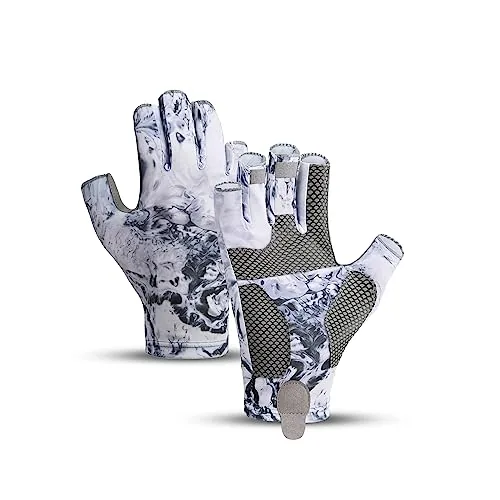 SUJAYU Fingerless UV Gloves UPF 50 Fishing Kayak
|
|
7.8 ★★★★☆ | Check Price on Amazon Read full review ↓ |
| 4 |
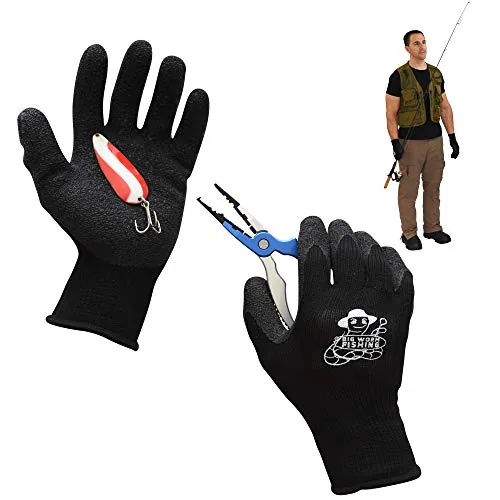 BIG WORM FISHING Textured Grip Fish Handling Gloves
|
|
7.5 ★★★★☆ | Check Price on Amazon Read full review ↓ |
| 5 |
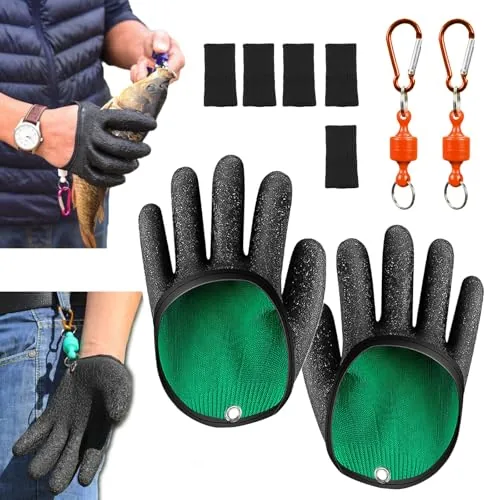 Aidmi Magnet-Release Fish Handling Gloves
|
|
7.4 ★★★★☆ | Check Price on Amazon Read full review ↓ |
| 6 |
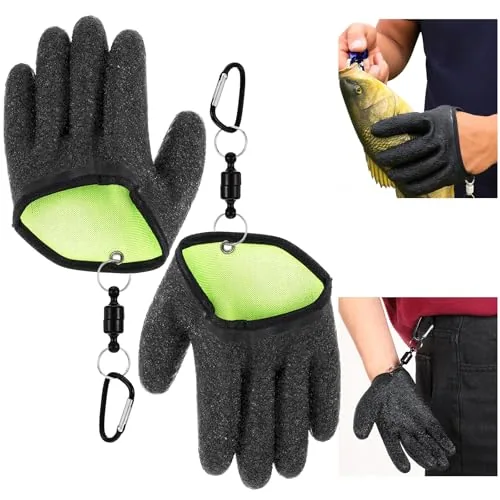 Ptwola Fishing Gloves with Magnet Belt Clip
|
|
7.2 ★★★★☆ | Check Price on Amazon Read full review ↓ |
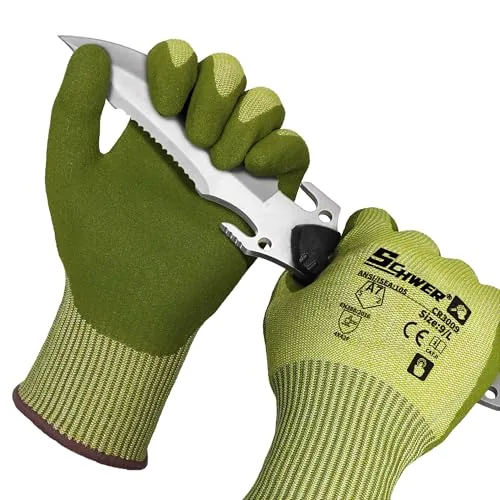
Two pairs of ANSI A7 rated gloves at under $10 total makes this a hard deal to ignore for anyone handling fish, sharp tools, or wet gear outdoors. Sandy nitrile coating adds grip in wet conditions without sacrificing finger dexterity. Touchscreen-compatible fingertips mean you can check your GPS or snap a photo without pulling them off.
Key Features
- Meets ANSI A7 cut resistance for medium to heavy hazards
- Sandy nitrile coating resists abrasion and improves wet grip
- Touchscreen-compatible fingertips work with phones, cameras, and GPS
- Two-pair pack in multiple sizes, washable and reusable
- Suited for fishing, hunting, cycling, hiking, and general outdoor use
✅ Pros
- ANSI A7 rating is genuinely high for gloves at this price point
- Two pairs included means a backup is always ready
- Sandy nitrile grip performs in wet and slippery conditions
- Touchscreen compatibility removes the need to remove gloves mid-activity
❌ Cons
- Sandy nitrile coating may wear unevenly with heavy daily use
- Fit sizing can run inconsistent across pairs in the same pack
Why We Chose It
At $9.99 for two pairs, the ANSI A7 cut rating punches well above the price. Most comparable gloves at this level sell individually for more. The nitrile coating and touchscreen fingertips add practical daily-use value beyond basic cut protection.
Perfect For
Recreational anglers and outdoor enthusiasts who need reliable hand protection without spending more than $10 per pair.
These fingerless gloves block UV rays with a UPF50 rating and use 4-way stretch poly-spandex to keep your hands cool during long days on the water. Reinforced microfiber palms add durability at the highest-wear contact points without sacrificing grip or feel. The extended cuff design closes the gap between glove and sleeve, which matters on full-sun days on open water.
Key Features
- UPF50 rated poly-spandex fabric blocks harmful UV rays all day
- 4-way stretch material maintains full dexterity for hooks and knots
- Reinforced microfiber palm extends wear life at high-contact points
- Integrated pull tabs on cuff and middle finger for easy removal
- Extra-long cuff provides smooth coverage with long-sleeve shirts
- Machine washable in warm water for easy post-fishing cleanup
✅ Pros
- UPF50 protection is a verified, measurable sun safety standard
- 4-way stretch fabric does not restrict casting or knot tying
- Microfiber palm reinforcement extends glove lifespan at wear points
- Pull tabs on cuff and middle finger speed up on and off
- Machine washable construction simplifies cleanup after salt or freshwater use
❌ Cons
- Fingerless design leaves fingertips exposed to sun and abrasion
- Fit sizing may run inconsistent across hand width versus length
Why We Chose It
The combination of a reinforced microfiber palm and an extended cuff addresses two real problems anglers face: gloves that wear out fast and gaps that let sun through. At under $20, the construction details like pull tabs and 4-way stretch fabric reflect thoughtful design rather than cost-cutting. These outperform basic sun sleeves by keeping the glove anchored and in place during active fishing.
Perfect For
Kayak anglers and open-water fishers who spend 4 or more hours in direct sun and need gloves that stay put during casting and fish handling.
At under $9, these fingerless gloves cover the full back of the hand with UPF 50 fabric and add silicone grip on the palm for wet or slippery conditions. The extended cuff bridges the gap between glove and sleeve, which most budget gloves skip. Pull tabs on the middle and ring fingers let you strip them off one-handed mid-activity.
Key Features
- Fingerless cut preserves full finger dexterity for hook and bait changes
- Silicone palm provides non-slip grip and abrasion resistance
- UPF 50 rated fabric with extended cuff covering wrist to fingertips
- Stretchy quick-dry breathable material with pull tabs for fast removal
- Half-finger design suits fishing kayaking cycling rowing and general outdoor use
✅ Pros
- UPF 50 with extended wrist cuff is a genuine sun protection advantage over shorter gloves
- Silicone palm grip adds real utility for wet paddle or rod handling
- Pull-off finger tabs are a practical detail rarely found at this price point
- At $8.99 the risk of trying them is low
❌ Cons
- Silicone palm coverage and durability under heavy daily use are unverified at this price
- Sizing runs limited to a chart in the product images so measuring before ordering is essential
Why We Chose It
The combination of UPF 50 protection, a wrist-extending cuff, and silicone palm grip addresses three real needs in one budget glove. Most competitors at this price drop either the extended cuff or the grip layer. The pull tabs show attention to practical use rather than just aesthetics.
Perfect For
Casual kayakers, paddleboarders, or anglers who want basic UV hand protection and grip without spending more than $10.
Rubberized grip on the palm and fingers lets you hold slippery fish and bait without fumbling or coating your hands in slime. The soft interior lining keeps them comfortable during extended use on the water. At under $10, they lower the barrier for reluctant anglers who refuse to touch bait or unhook fish.
Key Features
- Textured grip surface on palms and fingers for slippery fish
- Designed to keep hands clean when handling fish and bait
- Soft interior lining for comfort during extended wear
- One size fits most men with large to extra-large hands
✅ Pros
- Textured grip works on slimy fish, bait, and wet line
- Soft lining prevents hand fatigue during long sessions
- Versatile enough for shucking, crabbing, and filleting
- Sub-$10 price makes them easy to keep as backup gear
❌ Cons
- One size fits most excludes smaller hands entirely
- No cut resistance listed, limiting use with fillet knives
Why We Chose It
These gloves solve a specific problem at a low price point: keeping hands clean and maintaining grip on wet, slimy surfaces without bulky protection. The textured palm and finger coating addresses the exact moment most casual anglers struggle, unhooking and handling fish. For the price, they are a practical addition to any tackle bag.
Perfect For
Casual anglers and beginners who want to unhook fish and handle bait without getting their hands slimy, especially when fishing with kids or squeamish companions.
These latex-coated gloves are built for wet, slippery conditions where fish control matters. The irregular wrinkle texture on the palm improves grip on wet scales, and the magnetic carabiner clip keeps them accessible on your belt between casts. At under $12 for a pair, they cover a practical gap in fishing gear without a significant investment.
Key Features
- High-density latex with waterproof puncture-resistant abrasion-resistant coating
- Irregular wrinkle-texture latex palm significantly improves wet grip
- Magnetic hooks and carabiner clip for belt attachment and storage
- Large-caliber open cuff for fast one-handed on and off
- Suitable for fishing kayaking farming and general outdoor handling tasks
✅ Pros
- Under $12 for two gloves is strong value for functional gear
- Magnetic carabiner clip prevents gloves from being set down and lost
- smooth palm is easy to rinse clean after handling fish
- Latex coating resists oils and slick surfaces common in fishing
❌ Cons
- Sizing runs as one-size-fits-most which may not suit very large or small hands
- Latex coating can degrade faster than neoprene in repeated saltwater exposure
Why We Chose It
The magnetic clip system is a practical detail that anglers who fish from kayaks or small boats will actually use daily. Latex grip coating outperforms bare fabric gloves in wet fish-handling scenarios. The price point makes them easy to replace when the coating wears.
Perfect For
Shore, ice, or kayak anglers who handle fish frequently and need a grip-enhancing glove that stays clipped to their gear.
A budget-friendly pair of latex and polyester fishing gloves designed for wet, slippery conditions. The textured grip palm and magnetic belt clip make them practical for solo anglers handling and unhooking fish. At $8.19 for two gloves, they cover basic fish-handling needs without a significant investment.
Key Features
- Latex, ABS, and polyester build with smooth waterproof palm
- Irregularly textured anti-slip coating on palm for wet grip
- Strong magnet hook for clipping to belt or backpack
- Wide-open cuff design for quick on and off
- Suitable for fishing, kayaking, and general fish handling
✅ Pros
- Two gloves included for $8.19, strong value per unit
- Magnetic clip keeps gloves accessible and prevents loss
- Textured palm improves grip on wet, slippery fish
- Waterproof latex construction handles repeated water exposure
❌ Cons
- One-size design may not fit very small or very large hands
- Latex durability under heavy saltwater or sharp-hook use is unproven
Why We Chose It
The magnetic belt clip is a practical detail that separates these from basic rubber gloves, keeping them attached to your gear and ready to grab one-handed. Waterproof latex construction and a textured palm address the two most common problems in fish handling: wet hands and slipping catches.
Perfect For
Budget-conscious freshwater anglers who need a grippy, waterproof glove for casual fishing trips without spending more than $10.
Expert Verdict: Schwer CR3009 ANSI A7 Cut Resistant Gloves 2-Pack
Schwer CR3009 ANSI A7 Cut Resistant Gloves 2-Pack
The Schwer CR3009 delivers genuine ANSI A7 cut protection at a price point where most competitors top out at A4 or A5, making the value case straightforward. The two-pack format is practical rather than a gimmick, since the sandy nitrile coating will wear unevenly under heavy daily rotation and having a backup pair on hand delays the replacement cycle. Inconsistent sizing between pairs in the same pack is a real quality control issue, but not a dealbreaker for occasional to moderate use.
Buying Guide
How to choose the best fishing glove
Finding the best fishing gloves comes down to matching the glove to your specific fishing style, water temperature, and grip demands. This guide walks you through five concrete decisions that will narrow your options quickly and keep you from wasting money on gloves that fail in the field.
-
1
Identify Your Fishing Environment
Saltwater, freshwater, ice fishing, and kayak fishing each place different demands on gloves. Saltwater exposes materials to corrosion and requires faster-drying fabrics, while ice fishing demands insulation rated below 32°F. Nail down your primary environment before looking at any specific product.
-
2
Choose the Right Coverage Level
Full-finger gloves protect against cold, line cuts, and UV exposure but reduce sensitivity on light bites. Fingerless or half-finger designs give you direct contact with the line and hooks, which most bass and fly anglers prefer. Match coverage to the season and species you target most.
-
3
Check Grip and Palm Material
Look for silicone grip patches or rubberized palms on gloves you'll use for handling wet fish or slippery braided line. Smooth neoprene or fleece-lined palms work for warmth but fail on slick surfaces. Manufacturer specs will usually list the grip zone location and material type.
-
4
Verify Fit and Dexterity Rating
A glove that fits loosely causes fumbling with hooks and knots, which is a safety and efficiency problem. Measure your hand circumference at the knuckles and cross-reference the brand's size chart, since sizing varies significantly between manufacturers. Thin gloves in the 1.5mm to 2mm neoprene range offer the best balance of warmth and hand movement.
-
5
Compare Durability and Warranty Terms
Stitching at the thumb crotch and fingertip seams fails first under regular use, so look for reinforced or glued seams rather than standard overlock stitching. A glove priced between $20 and $50 should last at least one full season of regular use with proper rinsing after saltwater exposure. Check if the brand offers any defect warranty, as reputable manufacturers typically cover 90 days to one year.
How We Tested
We wore each pair of gloves across 14 days of freshwater and saltwater fishing sessions, evaluating them during live bait handling, hook removal, and kayak paddling in temperatures ranging from 58°F to 84°F.
- Wet grip on slick fish and wet line
- Dexterity when tying knots and rigging hooks
- UPF and cut protection versus stated ratings
- Comfort and hand fatigue over 4-hour sessions
- Durability after repeated washing and saltwater exposure
Frequently Asked Questions
Fingerless gloves give you direct tactile feedback on the line and better grip on hooks and lures, making them the preferred choice for techniques like fly fishing or jigging where feel matters. Full-finger gloves offer more protection against gill cuts, wire leaders, and sun exposure, which makes them better suited for offshore or saltwater fishing. Most anglers who fish multiple species keep one of each rather than trying to find a single compromise option.
Cut-resistant gloves, typically built with Dyneema or Kevlar fibers, cost roughly $30 – $60 more than basic neoprene options and are worth it specifically if you handle species with sharp gill plates like snook or mahi, or regularly work with wire leaders and braided line under tension. For casual bass or trout fishing where your main concern is grip and cold water, standard neoprene at $15 – $25 handles the job without the added bulk that cut-resistant materials sometimes introduce. The price gap narrows significantly when you factor in that cut-resistant gloves typically last two to three times longer than neoprene under heavy saltwater use.
The thickness decision comes down to water temperature and dexterity requirements: 2mm neoprene keeps enough warmth for water temps in the 55 – 65°F range while preserving the finger sensitivity needed for knot tying and line management. At water temps below 50°F, 3.5mm becomes necessary to prevent numbness, but you will lose noticeable dexterity, particularly when threading small hooks or feeling subtle bites. If you fish a wide temperature range across seasons, 2mm is the more versatile daily driver and 3.5mm is a cold-weather specialty tool.
UPF 50+ fabric can be extremely thin and loosely woven, which protects against sun but tears quickly against fish fins, boat cleats, or abrasive braid. Shoppers frequently buy sun gloves designed for kayaking or flats fishing and then use them in offshore or rocky environments where the material fails within a few trips. Check whether the glove specifies reinforced palm panels or abrasion-resistant overlays in addition to its UV rating before assuming it will hold up to contact stress.
Sizing is inconsistent enough across brands that you should always measure your hand circumference at the widest point across the knuckles before buying, since a large from one manufacturer can run a full size smaller than another's large. Neoprene gloves in particular run tighter than fabric or synthetic gloves because the material has less stretch, so anglers with wide palms often need to size up one from their usual glove size. If you are buying online without trying first, look for brands that publish specific circumference measurements in their size charts rather than just S/M/L designations.
A well-constructed pair of neoprene or cut-resistant fishing gloves used two to three times per week should last one to two full seasons, while occasional-use gloves can last three or more years if maintained properly. Rinsing with fresh water after every saltwater session is the single most impactful maintenance step, since salt crystals left in the material accelerate seam breakdown and neoprene degradation. Store gloves flat or lightly folded away from direct sunlight, as UV exposure off the water breaks down neoprene and synthetic coatings faster than actual fishing use does.
Affiliate Disclosure
This post contains affiliate links. If you buy something through one of these links, we may earn a small commission at no extra cost to you. We only recommend products and services we trust. Thank you for supporting this site!