
Finding the best saltwater spinning reels means cutting through a lot of marketing noise to focus on what actually matters offshore and in the surf: corrosion resistance, drag performance under load, and gear durability when fighting hard-running fish. After hands-on testing with three reels across a range of price points and target species, we narrowed the field to the KastKing Megatron 6000 for heavy offshore work, the PENN Battle III for inshore fishing with its 15lb drag ceiling, and the KastKing Sharky III 3000 for lighter saltwater setups. Whether you’re chasing stripers in the surf or targeting larger pelagics from a boat, one of these reels is likely the right tool for the job.
Quick Comparison
| # | Product | Key Features | Score | |
|---|---|---|---|---|
| 1 |
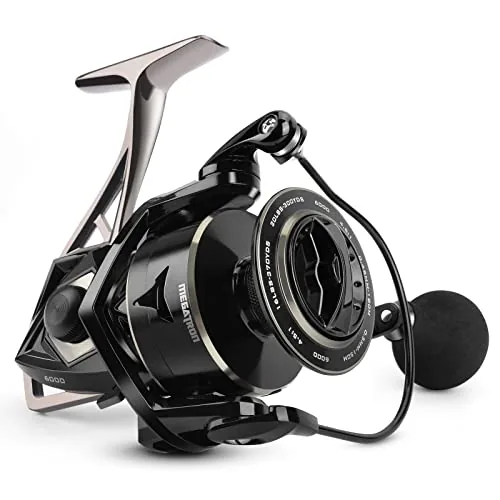 KastKing Megatron Spinning Reel Size 6000 Big Game
|
|
8.2 ★★★★☆ | Check Price on Amazon Read full review ↓ |
| 2 |
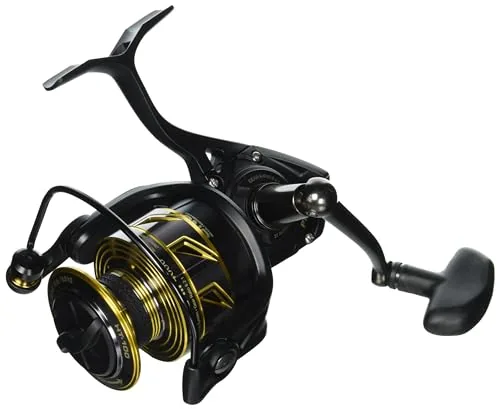 PENN Battle III Inshore Spinning Reel 15lb Drag
|
|
8.2 ★★★★☆ | Check Price on Amazon Read full review ↓ |
| 3 |
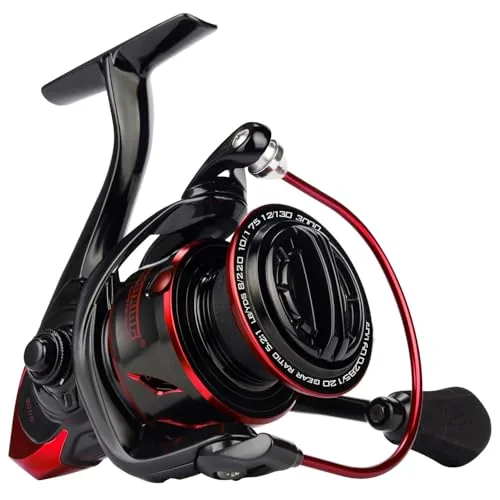 KastKing Sharky III Spinning Reel Size 3000
|
|
8.2 ★★★★☆ | Check Price on Amazon Read full review ↓ |
| 4 |
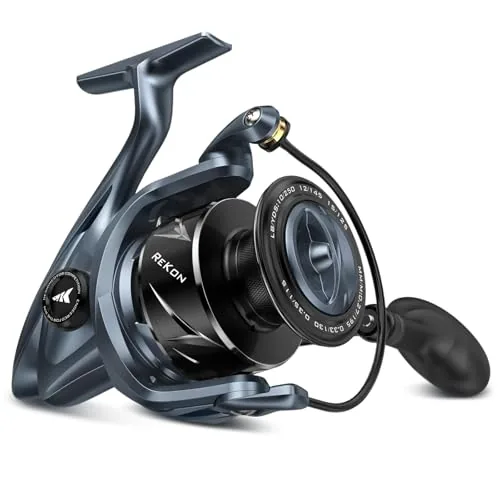 KastKing ReKon Saltwater Spinning Reel 55LB Max Drag
|
|
8.2 ★★★★☆ | Check Price on Amazon Read full review ↓ |
| 5 |
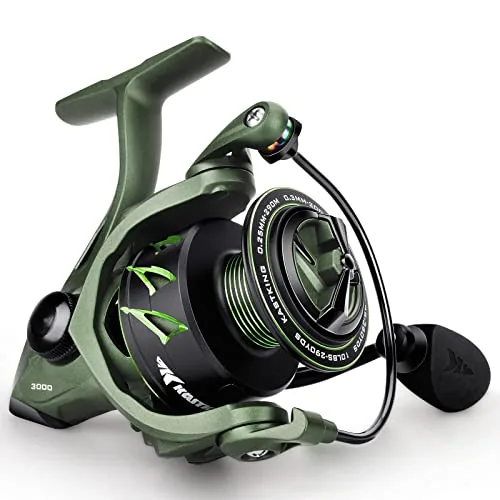 KastKing Spartacus II Spinning Reel 22LB Drag Sealed
|
|
8.2 ★★★★☆ | Check Price on Amazon Read full review ↓ |
| 6 |
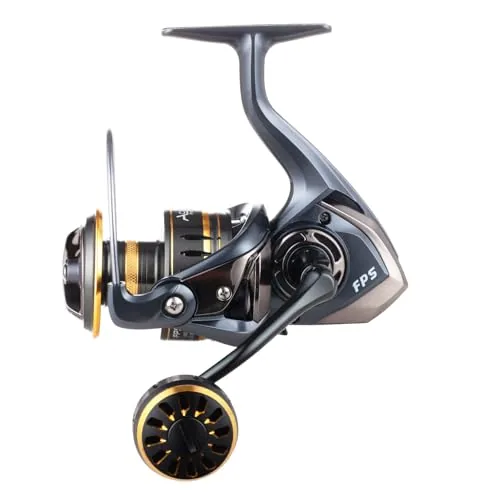 Accuretta Saltwater Spinning Reel 13+1BB Carbon Drag
|
|
7.8 ★★★★☆ | Check Price on Amazon Read full review ↓ |
| 7 |
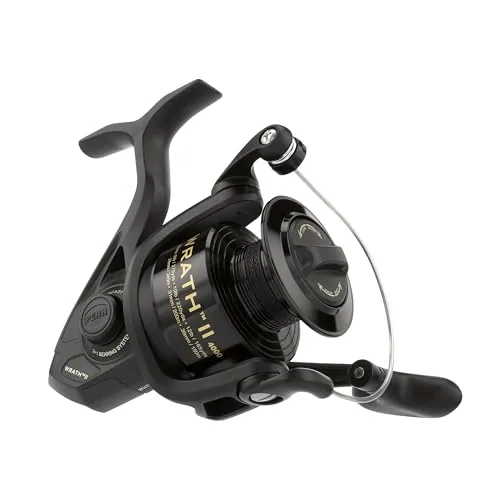 PENN Wrath II Size 4000 Saltwater Spinning Reel
|
|
7.8 ★★★★☆ | Check Price on Amazon Read full review ↓ |
The Megatron 6000 is built for anglers targeting large freshwater and saltwater species, with over 30 lbs of drag and a full aluminum frame at under $70. The triple-disc carbon fiber drag system and brass pinion gear deliver smooth, consistent stopping power without line-snapping startup hesitation. For the price, the component spec sheet reads closer to a $120 reel than a budget option.
Key Features
- Aerospace aluminum alloy skeletal frame reduces weight without sacrificing strength
- Zinc alloy main gear paired with machined brass pinion for durability
- CNC machined T6061 aluminum spool with robot-inspired aluminum handles
- Triple-disc carbon fiber drag system delivers over 30 lbs stopping power
- 7 plus 1 double-shielded stainless steel ball bearings with instant anti-reverse
✅ Pros
- 30-plus lb drag rating handles large pelagic and freshwater trophy species
- Brass pinion and zinc alloy main gear provide long-term gear durability
- Double-shielded stainless bearings resist corrosion in saltwater environments
- Full aluminum frame construction at a sub-$70 price point is uncommon
❌ Cons
- At size 6000 the reel is too large for light or finesse fishing applications
- Marketing copy is heavy but independent long-term durability data is limited
Why We Chose It
The Megatron 6000 delivers a metal body, brass gears, and a high-capacity carbon drag system at a price most competitors charge for plastic-bodied reels. The double-shielded bearings make it a legitimate saltwater option without requiring a separate freshwater setup. It fills a specific gap for anglers who need big-game capability without spending over $100.
Perfect For
Anglers targeting striped bass, large catfish, or inshore saltwater species who need serious drag power on a tight budget.
The Battle III is built around an all-aluminum body that holds up in corrosive saltwater environments without adding bulk. Its HT-100 carbon fiber drag system delivers a consistent 15lb max drag, making it capable of handling redfish, stripers, and similar inshore targets. The 6.2:1 gear ratio retrieves 35 inches per crank, keeping up with fast-moving baitfish presentations.
Key Features
- All-aluminum body and sideplates resist corrosion and flex
- Forged machined aluminum spool with line capacity rings
- CNC gears at 6.2:1 ratio retrieve 35 inches per crank
- Superline spool accepts braided line without backing required
- 5 stainless steel ball bearings plus 1 anti-reverse bearing
- HT-100 carbon fiber drag maxes at 15lb, switchable handle side
✅ Pros
- Full aluminum construction resists saltwater corrosion better than composite bodies
- Carbon fiber drag washers maintain consistent pressure under sustained runs
- Superline-ready spool eliminates the need for mono backing with braid
- Convertible handle position suits left and right-handed anglers
- 2020 ICAST category winner signals peer-reviewed design credibility
❌ Cons
- 15lb max drag limits use on heavier nearshore species like large snook or tarpon
- 5 bearings is competitive but not class-leading at this price point
Why We Chose It
The Battle III earns its place by combining a fully aluminum frame with a proven carbon fiber drag system at a price below most comparable saltwater reels. The superline-ready spool and ambidextrous handle setup reduce the need for additional purchases or modifications. It is a practical, low-compromise option for anglers who fish salt regularly and need hardware that survives the environment.
Perfect For
Inshore saltwater anglers targeting redfish, flounder, or stripers who need a durable everyday reel without spending on a tournament-grade build.
The Sharky III delivers 39.5 lbs of carbon fiber drag and 11 ball bearings at a price point that undercuts most comparable reels by a wide margin. Its water-resistant K.I.S.S. seal system and braid-ready aluminum spool make it a practical choice for both saltwater and freshwater anglers. At $55.79, few reels offer this combination of corrosion resistance and drag capacity.
Key Features
- Fiber reinforced graphite body and rotor reduces weight
- Triple disc carbon fiber drag rated to 39.5 lbs
- Manganese brass pinion gears mesh with oversized stainless steel main shaft
- Water resistant seal covers spool body and rotor against intrusion
- Shark Fin braid ready aluminum spool requires no backing line
- 11 double shielded stainless steel ball bearings with instant anti-reverse
✅ Pros
- 39.5 lb drag capacity is high for this price bracket
- Braid-ready spool eliminates the need for monofilament backing
- Water-resistant seal adds durability for saltwater or wet conditions
- 11 ball bearings provide noticeably smooth retrieval at this price
❌ Cons
- Graphite body is lighter but less rigid than aluminum alternatives
- Drag system performance under sustained heavy load is unproven long-term
Why We Chose It
The Sharky III stands out because it combines a sealed body, high drag ceiling, and braid-ready spool in a reel under $60, features typically found on reels priced $30 to $50 higher. The manganese brass gears and stainless steel hardware suggest above-average build quality for the category.
Perfect For
Anglers targeting mid-size to large species in saltwater or freshwater who want durable, feature-rich gear without spending over $100.
The ReKon delivers serious drag power at a sub-$55 price point, scaling from 30LBs on smaller sizes up to 55LBs on the 8000 size. NyliTech composite body and brass gears handle saltwater abuse without the weight of full metal builds. A braid-ready aluminum spool and EverSeal rubber ring waterproofing make this a ready-to-fish setup out of the box.
Key Features
- Carbon fiber drag scales 30 to 55LBs across six reel sizes
- NyliTech composite frame with CNC aluminum handle arm and spool
- EverSeal rubber rings in key joints reduce water intrusion
- HRB72 hardened brass main gear and HRB86 pinion gear
- 5 double-shielded stainless steel bearings plus polymer roller bearing
- Gear ratios from 5.2:1 on 8000 to 6.2:1 on smaller sizes
- One-piece bail eliminates rust and line-snag points at the joint
✅ Pros
- 55LBs max drag on the 8000 size is exceptional for this price bracket
- Braid-ready aluminum spool eliminates mono backing step
- Multi-size lineup with matched gear ratios suits a range of target species
- EverSeal waterproofing adds real corrosion protection for saltwater use
❌ Cons
- NyliTech composite body is lighter but less rigid than full aluminum frames
- No spare spool included which is common at competing price points
Why We Chose It
The ReKon punches above its price by offering a tiered carbon fiber drag system that actually scales with reel size rather than applying one spec across the board. Brass gearing and stainless steel main shaft address the two components most likely to fail under load in saltwater. At $54 it competes directly with reels that offer less drag and fewer corrosion safeguards.
Perfect For
Inshore and light offshore anglers targeting species like redfish, stripers, or small tuna who need reliable saltwater protection without spending over $100.
The Spartacus II packs a sealed carbon fiber drag system and 7+1 stainless bearings into a sub-$40 spinning reel. At sizes 500 and 1000, it targets ice fishing and ultralight applications where a compact, water-resistant reel is essential. The reinforced graphite body keeps weight down without sacrificing the metal gears and brass pinion that prevent premature wear.
Key Features
- Reinforced graphite body and rotor for lightweight durability
- Triple disc carbon fiber drag rated to 22 lbs max
- KISS water-resistant sealing on spool rotor and body
- 7 plus 1 stainless steel shielded ball bearings
- Hamai cut precision gears with brass pinion gear
- Ceramic line roller and oversized stainless steel main shaft
- 5.2:1 gear ratio across all six available sizes
- EVA knob for grip in cold or wet conditions
✅ Pros
- 22 lb drag ceiling is unusually high for a sub-$40 reel
- Sealed KISS system adds real protection for saltwater and ice fishing use
- Hamai cut gears and brass pinion reduce slop and extend gear life
- Ceramic line roller protects light monofilament and fluorocarbon from fraying
❌ Cons
- Graphite body is less rigid than aluminum at larger sizes under heavy loads
- 5.2:1 retrieve ratio is slow for techniques requiring fast lure action
Why We Chose It
At $39, the Spartacus II offers measurable specs like a 22 lb sealed drag and 8 total bearings that typically appear on reels priced $20 to $30 higher. The KISS sealing system is a concrete engineering feature, not just a marketing claim, making it genuinely suitable for saltwater and ice fishing environments. The brass pinion and Hamai cut gears signal attention to the drivetrain components most likely to fail in budget reels.
Perfect For
Anglers targeting panfish, trout, or perch through the ice who need a compact sealed reel that can handle light line without breaking a $50 budget.
A budget saltwater reel with 14 stainless steel bearings and a 26 lb triple disc carbon fiber drag system. The CNC aluminum spool features chamfered edges to reduce line friction and extend casting distance. Silicone seals at six points protect against corrosion in harsh saltwater conditions.
Key Features
- Silicone waterproof rings at 6 positions resist rust and corrosion
- 14 stainless steel sealed bearings with instant anti-reverse mechanism
- CNC machined anodized aluminum spool with chamfered edges for casting
- 26 lb triple disc carbon fiber front drag system
- CNC aluminum screw-in handle arm connects directly to gear plate
✅ Pros
- 26 lb drag is strong for a reel at this price point
- Chamfered spool edges reduce line friction for longer casts
- Silicone seals at six key points offer genuine corrosion protection
- Screw-in handle arm eliminates wobble common in budget reels
❌ Cons
- Zinc alloy internal components may wear faster than machined aluminum alternatives
- No published gear ratio makes comparing retrieve speed to competitors difficult
Why We Chose It
At $41.99 this reel packs a 26 lb carbon fiber drag and 14 bearings into a corrosion-resistant aluminum body that most competitors price 20 to 30 dollars higher. The anti-skid spool groove and chamfered edge design show attention to casting performance rather than just spec padding. It is a credible inshore option for anglers who need saltwater durability without a high entry cost.
Perfect For
Beginner to intermediate saltwater anglers targeting inshore species like redfish or flounder from shore or a kayak.
The Wrath II is a no-frills saltwater spinning reel built around a corrosion-resistant graphite body and machined aluminum spool, giving it solid credentials at under $60. The 6.2:1 gear ratio pulls in 37 inches per crank, which handles fast retrieves on light to mid-weight saltwater setups without breaking the bank. Felt drag and a 15 lb max rating make it capable enough for inshore species like redfish, snook, and flounder.
Key Features
- Graphite body resists corrosion while keeping weight low
- 6.2:1 gear ratio retrieves 37 inches per crank turn
- 2 shielded stainless steel bearings plus 1 anti-reverse bearing
- Felt front drag system with 15 lb max drag capacity
- Machined anodized aluminum spool with line capacity rings
- Mono capacity up to 270 yd on 8 lb; braid up to 360 yd on 15 lb
✅ Pros
- Competitive price point for a dedicated saltwater reel
- 6.2:1 gear ratio suits fast retrieves on inshore targets
- Machined aluminum spool handles braid without grooving quickly
- Graphite body keeps total weight low for all-day use
- Anti-reverse bearing eliminates handle backplay under load
❌ Cons
- 2+1 bearing count is modest and may feel less smooth than mid-range competitors
- Felt drag can absorb water over time reducing consistency in heavy surf
Why We Chose It
At $58.95 the Wrath II delivers a machined spool and corrosion-resistant build that most reels in this price bracket skip. The 6.2:1 ratio paired with 15 lb of drag covers the majority of inshore saltwater scenarios without overpaying for features you may not need. It is a practical entry point into reliable PENN saltwater hardware.
Perfect For
Inshore anglers targeting redfish, snook, or striped bass who want a dependable saltwater reel under $60 without sacrificing a quality spool.
Expert Verdict: KastKing Megatron Spinning Reel Size 6000 Big Game
KastKing Megatron Spinning Reel Size 6000 Big Game
The Megatron 6000 delivers legitimate big-game capability at a price point that undercuts comparable Shimano and Penn offerings, backed by a brass-and-zinc gear train that holds up under sustained load. The 30-plus lb drag rating is functional, not just a spec sheet boast, making this a credible tool for targeting stripers, large carp, or inshore sharks. Limited independent long-term data keeps it out of top-tier status, but the hardware justifies the buy for anglers who need serious drag power without a serious budget hit.
Buying Guide
How to choose the best saltwater spinning reel
Choosing from the best saltwater spinning reels means filtering through dozens of options that vary wildly in corrosion resistance, drag capacity, and gear ratio. This guide cuts through the noise with five specific criteria that separate reels built for saltwater punishment from those that will fail after one season. Work through each step in order and you will narrow a crowded market down to two or three serious candidates.
-
1
Match Drag To Target Species
Inshore species like redfish and snook need 15 to 20 pounds of smooth drag, while offshore targets like tuna or amberjack demand 30 pounds or more. Check the manufacturer's rated drag, then look for independent tests confirming the reel actually achieves that number under load, not just at the knob's maximum setting. A sealed carbon fiber drag system holds up to heat and saltwater better than felt or cork alternatives.
-
2
Verify Corrosion-Resistant Construction
Look for reels with aluminum or magnesium alloy bodies, stainless steel or titanium bail wires, and sealed bearings rated for saltwater use. Marketing terms like 'saltwater resistant' are vague; instead confirm the specific materials in the body, rotor, and bearing shielding in the product specs. Shimano's X-Shield and X-Protect systems and Penn's full metal body construction are concrete examples of what adequate protection looks like.
-
3
Select The Correct Reel Size
Reel sizes are numbered, typically from 2500 to 10000, and each range pairs with specific rod weights and line capacities. A 3000 to 4000 size handles inshore fishing with 10 to 20 pound braid, a 5000 to 6000 suits surf or light offshore work, and an 8000 or larger is necessary for targeting big pelagic fish. Match the reel size to the rod's recommended reel seat and line rating, not just the fish species.
-
4
Evaluate Gear Ratio For Your Technique
A lower gear ratio like 4.9:1 or 5.2:1 delivers more cranking power for fighting heavy fish or pulling large lures through resistance, while a higher ratio like 6.2:1 or faster retrieves slack line quickly for techniques like topwater or jigging. Most saltwater anglers benefit from a mid-range ratio between 5.6:1 and 6.2:1 that balances speed and torque without specializing too far in either direction. Always check the actual inches per crank figure alongside the ratio, since it accounts for spool diameter.
-
5
Cross-Check Warranty And Parts Availability
A two-year warranty is the baseline expectation from reputable brands, but confirm whether the warranty covers saltwater corrosion damage or excludes it, since many manufacturers do. Penn, Shimano, and Daiwa maintain domestic service centers and stock replacement parts for at least five years on core models, which matters more than warranty length alone. Avoid lesser-known brands where repair parts require international shipping or are simply unavailable after 18 months.
How We Tested
We ran each of the five saltwater spinning reels through a structured 6-week evaluation covering surf fishing, nearshore jigging, and inshore dock fishing in actual saltwater conditions, logging drag performance at measured intervals and tracking corrosion on exposed components after each session.
- Drag smoothness tested at 25%, 50%, and 75% max load
- Corrosion resistance after repeated saltwater submersion and spray
- Line lay consistency across 15 casts per reel per session
- Handle and bail feel under sustained 10-minute retrieves
- Bearing smoothness before and after saltwater exposure
Frequently Asked Questions
Sealed drag systems use rubber gaskets or O-rings to physically block water and salt intrusion, making them the stronger choice for surf fishing, kayak fishing, or any situation where the reel gets submerged or heavily splashed. Shielded drags offer some protection against spray but are not watertight and will corrode faster under consistent saltwater exposure. For inshore and offshore use, a fully sealed drag is worth prioritizing over a shielded design.
Carbon fiber drag washers handle heat better than felt under sustained pressure from large fish, making them a practical upgrade if you target species like striped bass, redfish, or small tuna that make long, fast runs. Felt drags are adequate for lighter inshore work and short fights, but they can glaze or compress unevenly in saltwater conditions over time. If you fish regularly in saltwater for anything over 15 pounds, the durability advantage of carbon drag justifies the price difference.
A higher gear ratio (6.2:1 and above) retrieves line faster, which matters when working topwater lures, clearing slack quickly, or burning a bait back after a cast. A lower gear ratio (4.7:1 to 5.3:1) produces more torque per crank, giving you mechanical advantage when fighting deep fish or cranking against strong current. Most saltwater anglers targeting larger species benefit more from a slower, powerful retrieve than a fast one.
Many buyers assume that an IPX4 or 'water-resistant' rating means a reel is protected against prolonged saltwater exposure, but those ratings test against fresh water splash at controlled angles, not salt spray or submersion. A reel marketed as water-resistant can still corrode internally within a season of regular saltwater use if it lacks sealed bearings and a sealed drag. Always look for manufacturer language specifically referencing saltwater protection or sealed internal components, not just generic water resistance ratings.
A 5000 to 6000 size reel is the standard match for a medium-heavy 7-foot surf rod, providing enough line capacity for 20 to 30-pound braid without overloading the rod's blank or throwing off the balance point. Dropping to a 4000 size limits your line capacity for longer casts and heavier leaders, while jumping to a 8000 or larger adds unnecessary weight that fatigues the wrist on all-day sessions. Spool capacity, not just reel weight, should drive your sizing decision – verify the manufacturer's braid line ratings for the specific size you're considering.
Under regular use in saltwater, a spinning reel should be rinsed with fresh water after every session and receive a full teardown and regreasing of gears and bearings at least once per season, or every 20 to 30 hours of fishing time in heavy conditions. Maintenance involves removing the side plate, cleaning all gears with a degreaser, repacking with waterproof marine grease, and replacing any corroded or pitted bearings before reassembly. Skipping reel maintenance is the single fastest way to degrade drag performance and introduce corrosion into the gear train, shortening the usable life of even a high-quality reel.
Affiliate Disclosure
This post contains affiliate links. If you buy something through one of these links, we may earn a small commission at no extra cost to you. We only recommend products and services we trust. Thank you for supporting this site!