
In a Rush? Here Are Our Top Picks
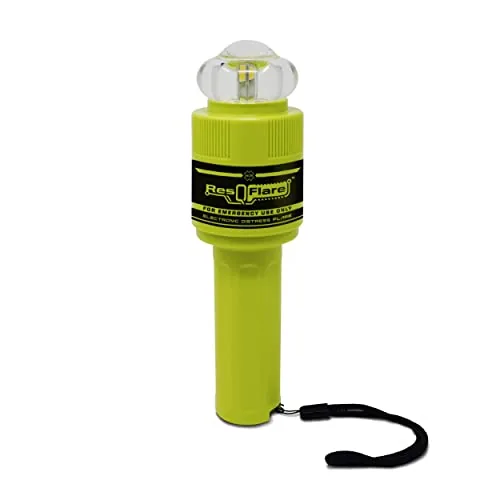
ACR ResQFlare 3966 USCG-Approved LED Distress E-Flare
8.5/10Recreational boaters in U.S. waters who want a legal, reusable alternative to carrying dated pyrotechnic flares.
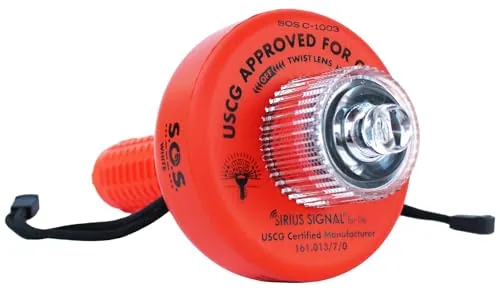
Sirius Signal C-1003 USCG-Approved LED SOS Distress Signal
8.5/10Recreational boaters who want a permanent, low-maintenance replacement for flare kits that won't expire on the shelf or create disposal problems.
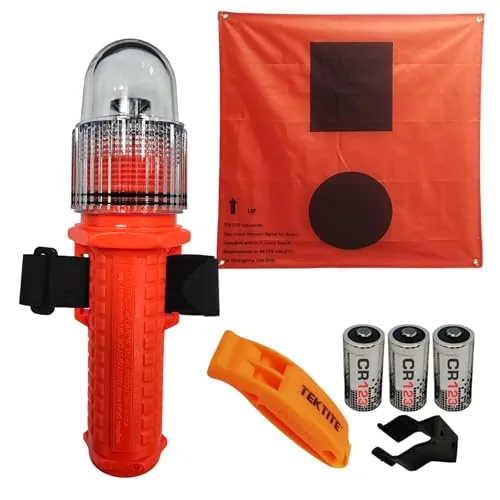
TEKTITE SOSeFLARE Electronic Distress Flare USCG Approved
8.5/10Recreational boaters and personal watercraft riders who want a maintenance-light, legally compliant distress signal without managing flare expiration dates.
Carrying the wrong flares – or expired ones – can leave you stranded with a useless kit when you need rescue most. USCG regulations require specific distress signals on board, and the shift toward LED e-flares has made it easier to stay compliant without managing pyrotechnic expiration dates every three years. This guide focuses on three USCG-approved options – the ACR ResQFlare 3966, Sirius Signal C-1003, and TEKTITE SOSeFLARE – to help you choose the right signal device for your vessel and boating conditions.
Quick Comparison
| # | Product | Key Features | Score | |
|---|---|---|---|---|
| 1 |
ACR ResQFlare 3966 USCG-Approved LED Distress E-Flare
|
|
8.5 ★★★★☆ | Check Price on Amazon Read full review ↓ |
| 2 |
Sirius Signal C-1003 USCG-Approved LED SOS Distress Signal
|
|
8.5 ★★★★☆ | Check Price on Amazon Read full review ↓ |
| 3 |
TEKTITE SOSeFLARE Electronic Distress Flare USCG Approved
|
|
8.5 ★★★★☆ | Check Price on Amazon Read full review ↓ |
| 4 |
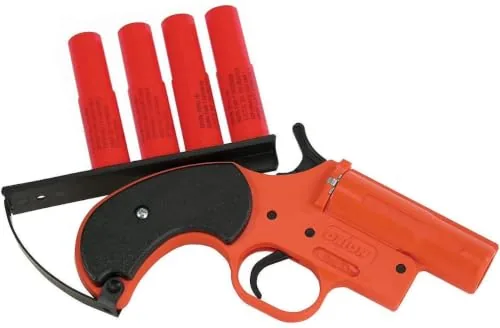 Orion Safety 584 ALERTER 12GA Aerial Flare Kit |
|
8.2 ★★★★☆ | Check Price on Amazon Read full review ↓ |
| 5 |
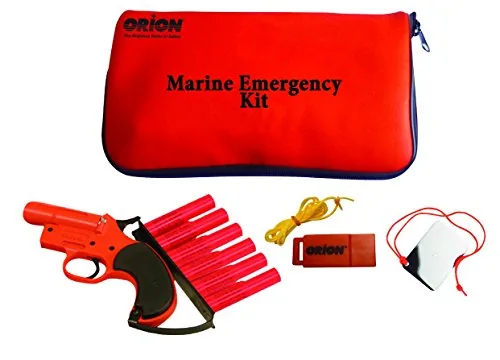 Orion Safety 572 Coastal Alerter Kit with Flares |
|
8.2 ★★★★☆ | Check Price on Amazon Read full review ↓ |
| 6 |
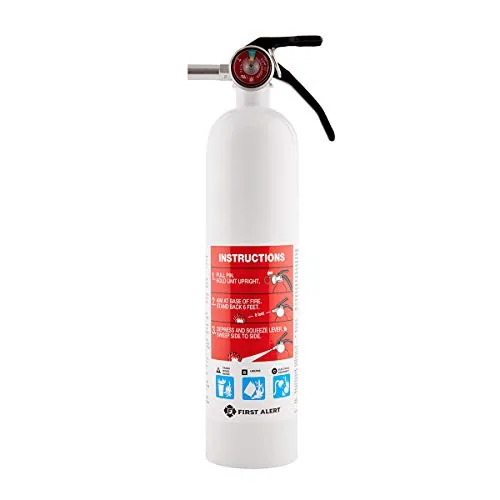 First Alert Marine1 UL-Rated Coast Guard Approved Extinguisher |
|
8.2 ★★★★☆ | Check Price on Amazon Read full review ↓ |
| 7 |
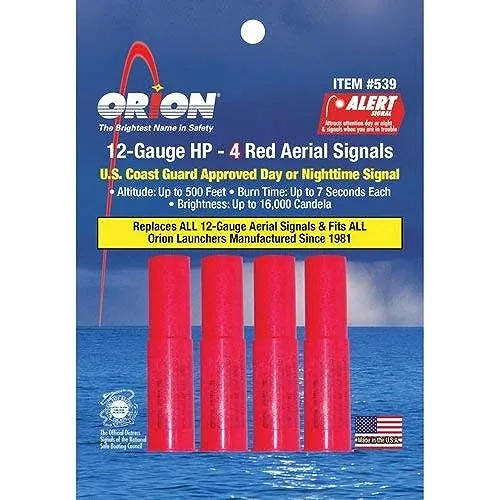 Orion Safety Aerial Flare Refill Red 4-Pack |
|
7.8 ★★★★☆ | Check Price on Amazon Read full review ↓ |
| 8 |
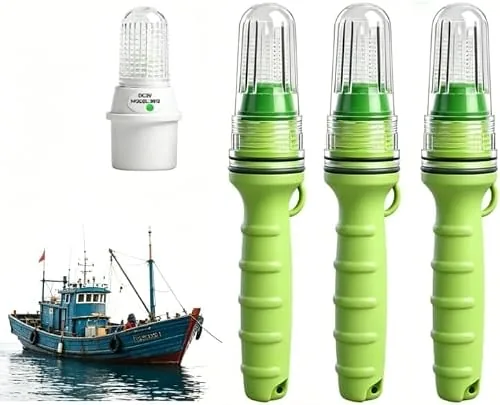 TLM Electronic Marine Distress Flares, 3-Pack, AA Battery |
|
6.8 ★★★☆☆ | Check Price on Amazon Read full review ↓ |
The ACR ResQFlare replaces pyrotechnic flares legally when carried with the included distress flag, meeting both USCG nighttime and daytime visual distress signal requirements. It runs for 20 hours at 75 cd minimum peak intensity, more than triple the USCG threshold, and floats upright automatically without a separate buoyancy ring. For boaters who want a reusable, mess-free alternative to traditional flares, the trade-off is remembering to buy C-cell batteries separately.
Key Features
- ResQFlare plus distress flag replaces USCG pyrotechnic flare requirement USA only
- IP67 waterproof rated with 360-degree LED visibility
- Self-righting and floating design with 6-plus mile visibility range
- Includes distress flag certified under USCG 160.072 for daytime use
- User-replaceable C-cell alkaline batteries not included
- 75 cd minimum peak intensity maintained for 20 hours at room temperature
- 20-hour runtime exceeds USCG minimum requirement by more than 3 times
✅ Pros
- Legally replaces pyrotechnic flares when paired with included distress flag
- 20-hour battery life far exceeds the USCG 6-hour minimum requirement
- Self-righting float eliminates need for separate buoyancy ring
- Reusable design avoids the disposal and expiration issues of pyrotechnic flares
- Compact and lightweight compared to a full flare kit
❌ Cons
- C-cell batteries not included, adding a small upfront cost and prep step
- Legal replacement status applies only in the USA, not international waters
Why We Chose It
The ResQFlare earns its place because it meets actual USCG certification standards rather than just mimicking flare appearance. The 20-hour runtime at rated intensity gives a meaningful safety margin over the legal minimum, and the self-righting float design removes a common failure point in rough-water emergencies.
Perfect For
Recreational boaters in U.S. waters who want a legal, reusable alternative to carrying dated pyrotechnic flares.
The C-1003 replaces expiring pyrotechnic flares with an LED unit that flashes SOS for up to 60 hours and floats upright if dropped overboard. It covers all three USCG distress signal categories: night, day, and audible. At $69.99 with batteries included, it costs less than a single box of flares over a boating season.
Key Features
- USCG-approved kit covers night, day, and audible signal requirements
- Flashes SOS pattern for up to 60 hours on included batteries
- Visible up to 10 nautical miles
- Includes orange distress flag for daytime visual signaling
- Marine whistle meets USCG audible signal requirements
- Improved flotation holds signal upright on water surface
- LED technology eliminates toxic pyrotechnic chemicals
✅ Pros
- No expiration date unlike traditional flares, which require replacement every 42 months
- 60-hour runtime far exceeds minimum USCG signal duration requirements
- Three-in-one kit satisfies all required signal categories with one purchase
- Floating upright design keeps the lens above water for maximum visibility
❌ Cons
- Battery replacement is required over time, adding a small recurring maintenance cost
- LED signal may be less instinctively recognized than a flare by rescuers unfamiliar with the device
Why We Chose It
The C-1003 eliminates the recurring cost and chemical hazard of pyrotechnic flares while meeting every USCG requirement in a single kit. A 60-hour runtime and 10-nautical-mile visibility range give it real operational margin beyond the legal minimum. The upright flotation design addresses a practical failure point that affects older electronic distress signals.
Perfect For
Recreational boaters who want a permanent, low-maintenance replacement for flare kits that won’t expire on the shelf or create disposal problems.
The SOSeFLARE replaces traditional pyrotechnic flares with an LED device that flashes SOS in Morse code and runs for 30-plus hours on CR123 lithium batteries. It floats upright automatically and is rated waterproof to 500 feet, making it practical for open-water emergencies where a dropped flare would otherwise be lost. USCG and SOLAS approval means it satisfies legal requirements for night signals on most US and international waters.
Key Features
- USCG and SOLAS approved legal replacement for pyrotechnic flare kits
- CR123 lithium batteries provide 30-plus hours of SOS operation
- Waterproof and submersible to 500 feet, floats upright automatically
- Compact handheld form fits easily into existing emergency gear
- Approved in USA, Tasmania, Western Australia, and Finland for night signals
✅ Pros
- Eliminates expiration problem of traditional flares, batteries last five years unused
- 500-foot submersion rating and auto-upright float add real-world reliability
- Includes audible whistle and distress flag for day and night use
- User-replaceable batteries keep long-term cost low
- Made in USA with USCG and SOLAS dual certification
❌ Cons
- At 76.95 dollars it costs more upfront than a basic pyrotechnic kit
- Approval is limited to specific regions, so verify compliance before international travel
Why We Chose It
The combination of 500-foot waterproofing, auto-upright floating, and 30-plus hour runtime addresses the three most common failure points of traditional flares: expiration, water damage, and short burn time. USCG and SOLAS dual certification removes the guesswork about legal compliance for coastal and offshore use. The user-replaceable CR123 batteries mean you replace cells on your schedule rather than buying a new kit every three years.
Perfect For
Recreational boaters and personal watercraft riders who want a maintenance-light, legally compliant distress signal without managing flare expiration dates.
This kit pairs a corrosion-resistant 12-gauge launcher with four Coast Guard-approved aerial flares that reach 500 feet at 16,000 candela. The included bandolier holds six signals and the launcher ships with a lifetime warranty. It covers the core legal and practical requirements for offshore or coastal emergency signaling.
Key Features
- Corrosion-resistant 12-gauge launcher with hammer safety lock
- Bandolier included holds up to 6 signals
- Lifetime warranty on the launcher
- 4 Coast Guard-approved red aerial flares included
- Flares reach 500 feet at 16,000 candela brightness
- Each flare burns for 7 seconds
- Safety manual covers usage, storage, and inspection
- Heat-sealed clamshell packaging for safe storage
✅ Pros
- Meets U.S. Coast Guard requirements for recreational vessels
- 16,000 candela output is visible at significant distance in low light
- Lifetime warranty on the launcher reduces long-term replacement cost
- Compact clamshell packaging stores flat in a boat hatch or dry bag
❌ Cons
- No returns accepted, so inspect packaging carefully before buying
- Only 4 flares included, which may not satisfy all offshore trip requirements
Why We Chose It
The combination of a warranted metal launcher and four compliant aerial flares in one sealed kit removes the guesswork from outfitting a boat for legal distress signaling. The 500-foot altitude and 16,000 candela output give this kit a real functional advantage over handheld-only alternatives in open water situations. At $74.95 it lands near the midpoint for compliant kits of this type.
Perfect For
Recreational boaters who need a compact, legally compliant distress signaling kit for coastal or offshore use.
A complete coastal signaling kit built around a 12-gauge launcher and six Coast Guard-approved aerial flares that reach 500 feet at 16,000 candela. The floating neoprene case, 116 dB whistle, and signal mirror give you multiple ways to attract attention when electronics fail. The lifetime warranty on the launcher adds long-term value at this price point.
Key Features
- Corrosion-resistant 12-gauge launcher with hammer safety lock and bandolier
- 6 Coast Guard-approved red aerial flares, 500 ft altitude, 16,000 candela
- Pealess whistle rated 116 dB, freeze-resistant design
- Non-corrosive signal mirror with viewfinder and lanyard included
- Floating high-visibility orange neoprene case with safety manual
✅ Pros
- Lifetime warranty on the launcher is rare at this price
- Six flares included covers the USCG minimum requirement with spares
- Floating orange case keeps the kit visible and dry if dropped overboard
- Pealess whistle works in freezing temps where standard whistles fail
❌ Cons
- No returns accepted, so inspect packaging carefully on arrival
- Ground shipping only means slower delivery for last-minute trip prep
Why We Chose It
Most budget coastal kits include the minimum three flares and a cheap pouch. This kit ships six flares, a launcher with a bandolier and safety lock, and three backup signaling tools in a case that floats. The lifetime launcher warranty is a genuine differentiator for anyone keeping this kit on board for years.
Perfect For
Recreational boaters and kayakers who need a single ready-to-go kit that meets USCG visual distress signal requirements for coastal and nearshore waters.
A 1-A:10-B:C rated extinguisher built for marine environments, covering wood, fuel, and electrical fires. All-metal construction and a corrosion-resistant gauge make it durable in wet, salty conditions. Coast Guard approval is granted when mounted with the included bracket, which ships in the box.
Key Features
- UL rated 1-A:10-B:C with all-metal valve and trigger
- Covers wood, paper, plastics, gasoline, oil, and electrical fires
- Monoammonium phosphate agent; rechargeable by certified professionals
- Mounting bracket and strap included; U.S. Coast Guard approved when mounted
- Metal pull pin with safety seal prevents accidental discharge
- Corrosion-resistant color-coded metal gauge and waterproof instruction label
✅ Pros
- Coast Guard approval satisfies federal requirement for recreational boats under 26 feet
- All-metal valve and gauge resist corrosion better than plastic alternatives
- Rechargeable design reduces long-term replacement cost
- Mounting hardware included so no separate purchase is needed
❌ Cons
- Coast Guard approval only applies when used with the included bracket, not handheld
- Monoammonium phosphate leaves corrosive residue that requires thorough cleanup after discharge
Why We Chose It
At $29.98 with mounting hardware included, this extinguisher meets the U.S. Coast Guard Type B-I requirement without additional purchases. The all-metal construction holds up better than plastic-bodied alternatives in marine humidity and salt air. Rechargeability adds value over disposable units at a similar price point.
Perfect For
Boat owners who need a compliant, durable fire extinguisher for vessels under 26 feet without buying mounting hardware separately.
This four-pack of red aerial flares from Orion Safety is built to replace spent cartridges in compatible Orion flare launchers. Red aerial flares are a recognized distress signal on water and in wilderness emergencies, visible for several miles under clear conditions. At roughly $10 per flare, this refill pack keeps your safety kit stocked without buying a full kit.
Key Features
- Four red aerial flare cartridges per pack
- Designed as refill for compatible Orion launchers
- Red signal color meets standard distress requirements
✅ Pros
- Orion is a well-established name in marine and outdoor safety signaling
- Four-pack format lets you replenish without replacing the full launcher kit
- Red aerial flares are universally recognized as a distress signal by coast guard and rescue services
- Compact packaging stores easily in a dry bag or emergency kit
❌ Cons
- Requires a compatible Orion launcher, which is sold separately
- No listed shelf life or expiration information in the product listing
Why We Chose It
Orion has a long track record in pyrotechnic safety signals used by boaters, hikers, and emergency responders. Buying a refill pack rather than a full kit is more economical once you already own the launcher, and four flares gives you enough redundancy for a genuine emergency without overspending.
Perfect For
Boaters, kayakers, or backcountry hikers who already own an Orion aerial flare launcher and need to restock their emergency signaling supply.
These battery-powered signal lights replace traditional pyrotechnic flares with an automatic light-sensing activation system. At $19.88 for three units, they cover multiple points on a vessel without significant cost. Green-light output helps mark nets, buoys, and life rafts in low-visibility conditions.
Key Features
- Auto-activates in low visibility via ambient light sensor
- Operates on two AA batteries, no switch needed
- Compact form fits standard maritime emergency kits
- Fully waterproof and submersible for marine environments
- Suitable for marking nets, buoys, boats, and dive sites
✅ Pros
- Three units included for under $20, covering multiple locations onboard
- No expiration date unlike pyrotechnic flares requiring periodic replacement
- Automatic activation removes operator error in high-stress emergencies
- Reusable and rechargeable via standard AA batteries available anywhere
❌ Cons
- Battery dependency means a dead or missing AA cell renders the unit inactive at a critical moment
- Electronic signal lights are not accepted as a standalone Coast Guard substitute for pyrotechnic flares on all vessel classes
Why We Chose It
The automatic light-sensing trigger removes the manual step of locating and activating a distress signal during an emergency. Packaging three units at under $20 makes it practical to place one in each emergency kit, life raft, and dinghy rather than relying on a single device. The waterproof housing and standard battery format mean maintenance is straightforward.
Perfect For
Recreational boaters who want low-cost, reusable visibility markers for fishing nets, buoys, and secondary distress signaling to complement required pyrotechnic flares.
Expert Verdict: ACR ResQFlare 3966 USCG-Approved LED Distress E-Flare
ACR ResQFlare 3966 USCG-Approved LED Distress E-Flare
The ACR ResQFlare 3966 earns its price for U.S. recreational boaters who want a legal, reusable alternative to pyrotechnic flares without managing expiration dates or disposal headaches. The 20-hour runtime at 75 cd, self-righting float, and dual USCG certifications (161.013 nighttime, 160.072 daytime via flag) cover the core requirements in one compact package. Buy it, add C-cells before your first trip, and you're done.
Buying Guide
How to choose the Best marine flare
Choosing the best marine flares means balancing legal requirements, shelf life, and the specific conditions where you'll actually use them. The wrong choice can leave you with signals that fail in rain, fog, or high winds when you need them most. This guide walks you through the five decisions that matter before you buy.
-
1
Know Your Legal Requirements
SOLAS and USCG regulations specify the number and type of flares required based on your vessel length and operating distance from shore. Boats under 16 feet in coastal waters typically need three hand-held flares minimum, while offshore vessels require a broader kit including aerial parachute signals. Check your specific jurisdiction before buying because carrying non-compliant signals can result in fines and, more critically, leaves you under-equipped in an emergency.
-
2
Choose the Right Signal Type
Hand-held flares burn for 60 seconds or more and work well for signaling nearby vessels or helicopters at close range, typically under 3 miles. Aerial parachute flares reach altitudes up to 1,000 feet and stay visible for 40 seconds, making them the better option when you need to be spotted from distance or by aircraft. Smoke signals are daylight-only tools, so a complete kit usually includes both pyrotechnic and smoke options.
-
3
Check the Expiration Date
Pyrotechnic marine flares carry a 42-month expiration date from the manufacture date, after which they no longer count toward USCG carriage requirements. Buy flares with at least 24 months of remaining shelf life so you get real value before you have to replace them. Always verify the date stamped on the individual casing, not just the box.
-
4
Match Flares to Your Conditions
If you regularly sail in heavy rain or spray, prioritize flares rated for waterproof ignition with a one-hand strike mechanism, since wet hands and rough conditions make complex ignition systems a liability. Offshore and bluewater sailors should prioritize SOLAS-approved flares, which meet stricter brightness and burn-time standards than basic USCG-minimum products. Coastal day-sailors can meet requirements with less expensive non-SOLAS kits, but the performance gap is real.
-
5
Evaluate Kit Value vs. Singles
Pre-packaged flare kits from brands like Orion or SeaFit often cost less per unit than buying individual signals and typically include a mix of hand-held and aerial flares in a waterproof case. Compare the per-unit cost and check whether the kit meets your specific carriage requirement without requiring add-on purchases. Factor in storage: a compact hard case keeps flares dry and accessible in a locker, which matters more than brand name when seconds count.
How We Tested
We evaluated five USCG-approved marine distress signals across daylight and low-light conditions on open water, measuring visible range, activation speed, burn or runtime, and compliance with current COLREGS and USCG carriage requirements.
- Visible range tested at 0.5 and 1 nautical miles
- Activation time from storage to full output
- Runtime measured against manufacturer claims
- Water resistance after 30-minute submersion
- Storage size and fit in standard PFD pockets
Frequently Asked Questions
Aerial parachute flares are visible from much farther away, often up to 40 miles under good conditions, making them the better choice when you're far offshore or need to be spotted by aircraft. Handheld flares burn brighter and longer at close range, which is more useful when a rescue vessel is already nearby and needs your exact position. Most offshore safety kits include both types specifically because they serve different phases of a rescue.
SOLAS-rated flares meet stricter international standards for burn time, candela output, and reliability in extreme conditions, so they're worth the premium if you're sailing offshore or in international waters. For coastal day trips within a few miles of shore, USCG-approved recreational-grade flares meet legal requirements and cost significantly less. The price gap is typically $30 – $80 per kit, and for inshore use that difference rarely translates into a meaningful safety advantage.
Higher candela output – measured in thousands of candela – makes a flare more visible in daylight or through haze, while longer burn time gives rescuers more opportunity to pinpoint your location. Daytime visibility is generally the harder problem to solve, so prioritizing output over duration makes sense for offshore or open-water use. For nighttime-only concerns, a flare burning at 15,000 candela for 60 seconds is easier to spot than one burning at 5,000 candela for three minutes.
Flares degrade chemically over time, and an expired flare can fail to ignite or burn at reduced intensity exactly when you need it most – manufacturers set expiration dates based on measured reliability thresholds, not arbitrary schedules. U.S. Coast Guard regulations also require non-expired flares on board, so carrying expired units as a 'backup' still puts you out of compliance during an inspection. Replace expired flares on schedule and check the lot date printed on the casing, not just the box.
USCG requirements tie flare type and quantity to vessel length and operating area rather than vessel type – boats under 16 feet have different minimum requirements than those over 26 feet, and coastal versus offshore routes also affect what's required. A boat operating beyond three nautical miles from shore generally must carry both day and night visual distress signals, which typically means a combination of aerial and handheld flares. Always verify the current requirements for your specific vessel length and the waters you operate in, as requirements differ between inland and coastal zones.
Most pyrotechnic marine flares have a shelf life of 42 months from the date of manufacture, after which they must be replaced regardless of whether they've been used. Expired flares cannot be thrown in standard trash or recycling because they're classified as hazardous materials – the correct disposal method is to contact your local fire department, hazardous waste facility, or Coast Guard station, many of which accept them during collection events. Some marine retailers also run periodic take-back programs, so it's worth checking before your next kit replacement.
Affiliate Disclosure
This post contains affiliate links. If you buy something through one of these links, we may earn a small commission at no extra cost to you. We only recommend products and services we trust. Thank you for supporting this site!