
In a Rush? Here Are Our Top Picks
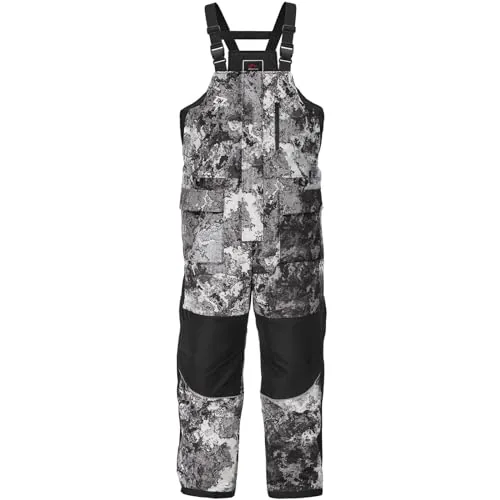
Piscifun Ice Fishing Bibs with Flotation, Veil Camo
8.5/10Ice anglers who fish moving or early-season ice where falling through is a genuine risk and want integrated safety without a separate flotation suit.
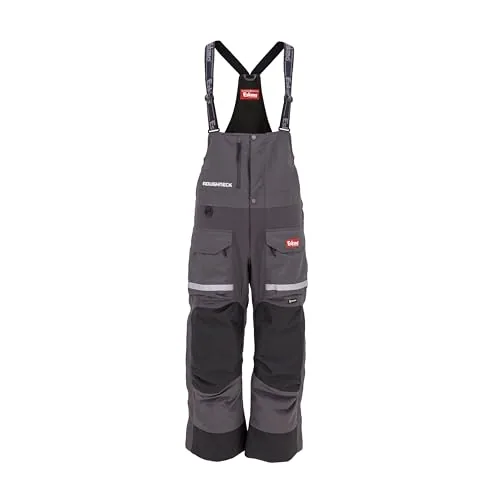
Eskimo Roughneck Bibs with Flotation Assist, XL
8.3/10Ice anglers who fish solo or in remote locations and want passive flotation protection alongside full cold-weather performance.
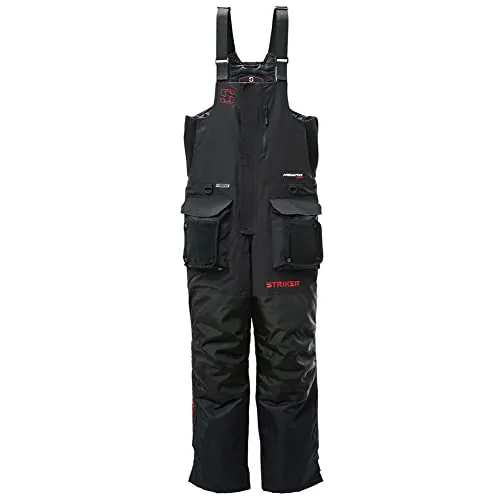
Striker Lite Ice Fishing Bib with Sureflote Flotation
8.2/10Ice anglers who fish solo or in remote locations and want built-in flotation without moving up to a full survival suit.
Ice fishing bibs are one of the few pieces of gear where getting it wrong means more than being uncomfortable – a fall through the ice without flotation-assisted coverage is a genuine emergency. This roundup focuses on three bibs built for serious cold-weather use: the Piscifun Ice Fishing Bibs with Flotation in Veil Camo, the Eskimo Roughneck Bibs with Flotation Assist in XL, and the Striker Lite Ice Fishing Bib with Sureflote Flotation. Whether you’re prioritizing buoyancy, durability, or a lighter packable option, the differences between these three come down to specific construction choices worth knowing before you buy.
Quick Comparison
| # | Product | Key Features | Score | |
|---|---|---|---|---|
| 1 |
Piscifun Ice Fishing Bibs with Flotation, Veil Camo
|
|
8.5 ★★★★☆ | Check Price on Amazon Read full review ↓ |
| 2 |
Eskimo Roughneck Bibs with Flotation Assist, XL
|
|
8.3 ★★★★☆ | Check Price on Amazon Read full review ↓ |
| 3 |
Striker Lite Ice Fishing Bib with Sureflote Flotation
|
|
8.2 ★★★★☆ | Check Price on Amazon Read full review ↓ |
| 4 |
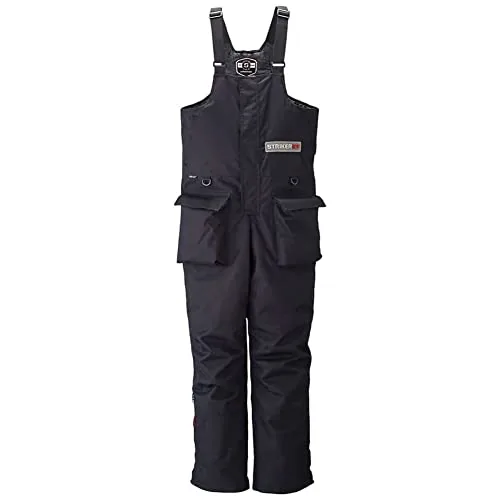 Striker Trekker Bib with SureFlote Flotation Technology |
|
8.2 ★★★★☆ | Check Price on Amazon Read full review ↓ |
| 5 |
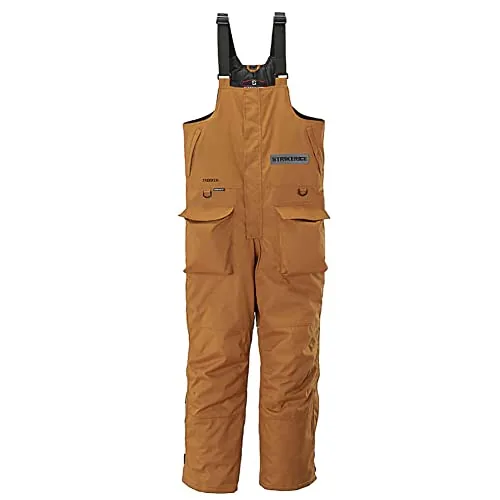 Striker Trekker Ice Fishing Bib with SureFlote Flotation |
|
8.2 ★★★★☆ | Check Price on Amazon Read full review ↓ |
| 6 |
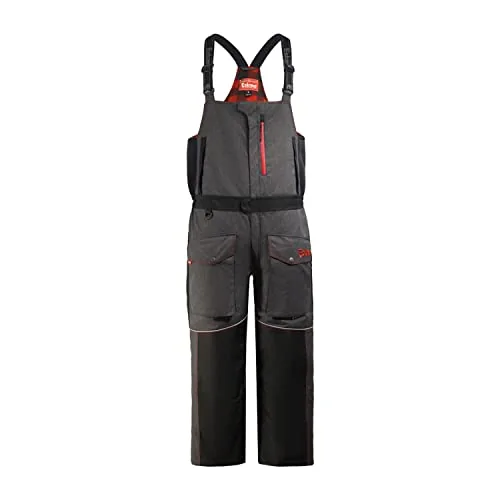 Eskimo Keeper Bibs with UPLYFT Flotation Assist |
|
8.2 ★★★★☆ | Check Price on Amazon Read full review ↓ |
| 7 |
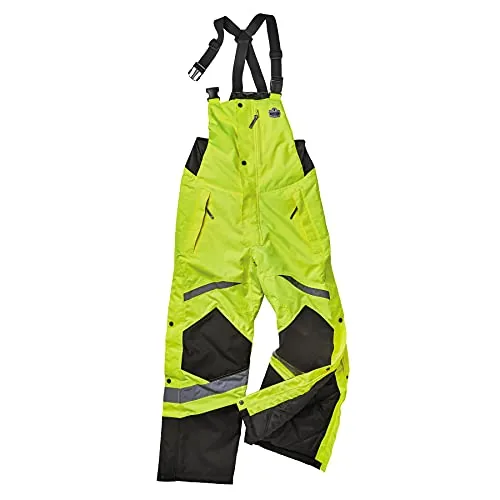 Ergodyne GloWear 8928 Insulated Hi-Vis Bib s |
|
8.2 ★★★★☆ | Check Price on Amazon Read full review ↓ |
These bibs combine active flotation material with full waterproofing, giving ice anglers a meaningful safety margin if the ice gives way. DWR and TPU coatings with taped seams keep water out, while flannelette-lined hand-warming pockets and thermal polyester insulation handle sub-zero temperatures. The Veil Camo pattern and reinforced knees make them practical for long days on the ice rather than just casual outings.
Key Features
- DWR and TPU coated fabric with fully taped waterproof seams
- Buoyant cotton keeps an adult afloat if ice breaks
- Windproof shell with 100% polyester thermal insulation and flannelette pockets
- Wear-resistant knees and hips with EVA knee protection plates
- YKK two-way zipper, elastic waist, 2 pockets, adjustable hem length
✅ Pros
- Flotation capability addresses the most serious ice fishing safety risk
- Fully taped seams provide reliable waterproofing beyond water-resistant treatments
- EVA knee plates add protection during kneeling on hard ice
- YKK zipper and elastic waist panels accommodate layering underneath
- Reflective strips on chest and knees improve low-light visibility
❌ Cons
- Flotation bibs tend to run bulkier than standard insulated bibs
- Camo pattern limits versatility outside fishing or hunting contexts
Why We Chose It
The built-in flotation material sets these bibs apart from standard insulated options at this price point, addressing the real consequence of falling through ice rather than just cold temperatures. Fully taped seams and reinforced wear zones show attention to conditions where gear failure has serious consequences.
Perfect For
Ice anglers who fish moving or early-season ice where falling through is a genuine risk and want integrated safety without a separate flotation suit.
These ice fishing bibs combine breathable flotation assist with 5k/5k waterproof fabric, keeping you dry and safer on the ice without the bulk of a traditional float suit. Sherpa fleece lining and DWR-coated exterior handle cold and wet conditions simultaneously. Reinforced knees and ankles add durability where ice fishing gear takes the most punishment.
Key Features
- Breathable flotation assist moves moisture away from skin
- 5k/5k waterproof and windproof fabric with fully taped seams
- DWR exterior coating beads and repels water
- Sherpa fleece interior insulation for thermal comfort
- DuraDry fabric with stretch panels for unrestricted movement
- Reinforced knees and ankles at high-wear contact points
✅ Pros
- Flotation assist adds safety without the rigidity of a full float suit
- Taped seams and DWR coating provide reliable waterproofing in wet conditions
- Stretch fabric lets you kneel and move freely on the ice
- Sherpa fleece lining delivers immediate warmth without added bulk
❌ Cons
- At $239.99 these sit at the higher end of bib pricing for casual anglers
- 5k waterproof rating is adequate but below premium 10k or 20k ratings for heavy rain
Why We Chose It
The built-in flotation assist separates these bibs from standard ice fishing gear, adding a safety margin that matters when you are fishing on questionable ice. The combination of breathable waterproof fabric and Sherpa fleece handles a wide temperature range without requiring extra layering.
Perfect For
Ice anglers who fish solo or in remote locations and want passive flotation protection alongside full cold-weather performance.
The Striker Lite bib is built for anglers who spend long hours on the ice and need reliable protection without bulk. The 320D nylon shell resists wind and water, while Sureflote flotation technology adds a genuine safety layer if you break through. Reinforced 1680D snakeskin knee panels and extra seat padding address the wear points that typically fail first on budget bibs.
Key Features
- 320D nylon tussor shell resists wind and water
- 1680D snakeskin panels reinforce high-abrasion knee areas
- Extra padding at knees and seat for kneeling on ice
- Sureflote flotation technology for emergency buoyancy
- Waterproof construction throughout
✅ Pros
- Sureflote flotation adds real safety value at this price point
- 1680D knee panels are significantly more durable than standard bib fabric
- Extra seat and knee padding extends the bib’s usable life on hard ice
- Windproof and water-resistant shell handles typical winter fishing conditions
❌ Cons
- At 179.99 it sits at the higher end for entry-level bibs without confirmed insulation specs
- No listed insulation rating makes it harder to gauge warmth in extreme cold
Why We Chose It
The Sureflote flotation technology separates this bib from most competitors at this price, offering a practical safety margin for solo ice fishing. The 1680D snakeskin knee panels are a standout detail because knee wear is the most common failure point on fishing bibs. Both features together justify the price over a basic waterproof bib.
Perfect For
Ice anglers who fish solo or in remote locations and want built-in flotation without moving up to a full survival suit.
Built from 600-denier fabric with Hydrapore 5000 laminate, the Trekker Bib blocks wind and resists water across cold-weather fishing and hunting conditions. The integrated SureFlote flotation keeps an average adult afloat for up to 2 hours, a genuine safety margin on early or late ice. At $159.99, it sits at a reasonable price point for gear that covers both thermal protection and buoyancy.
Key Features
- 600-denier fabric with Hydrapore 5000 laminate for wind and water resistance
- SureFlote flotation supports an average person afloat up to 2 hours
- 150g Thermadex insulation provides warmth without excessive bulk
- Adjustable inseam and fast-drain hems for fit and wet-entry recovery
- Reflective elements improve low-light visibility
✅ Pros
- SureFlote flotation adds real safety margin on thin or breaking ice
- 150g Thermadex insulation keeps weight down without sacrificing core warmth
- 600-denier outer shell holds up against abrasion from ice edges and gear
- Adjustable inseam fits a wider range of body types without tailoring
- Reflective detailing is a practical addition for pre-dawn or post-dusk use
❌ Cons
- 150g insulation is lighter-weight, so it may need a base layer below minus 10F
- No mention of waterproof zippers, which matters when kneeling on wet ice
Why We Chose It
The SureFlote flotation system separates this bib from standard insulated workwear by providing a documented 2-hour float window, which is meaningful when ice conditions shift unexpectedly. The combination of tough outer fabric and moderate insulation makes it functional across a wider temperature range rather than being optimized only for deep winter.
Perfect For
Ice anglers who fish early and late season when ice conditions are unpredictable and buoyancy protection is as important as warmth.
Built from 600-denier fabric with Hydrapore 5000 laminate, this bib targets ice anglers who need windproof, water-resistant coverage without excessive bulk. The integrated SureFlote flotation layer can keep an average person afloat for up to 2 hours, which sets it apart from standard insulated bibs at this price point. At $129.99, it covers early and late ice conditions as well as cold-weather boat fishing.
Key Features
- 600-denier fabric with Hydrapore 5000 laminate resists wind and water
- SureFlote technology keeps average person afloat up to 2 hours
- 150g Thermadex insulation delivers warmth without excessive bulk
- Adjustable inseam and fast-drain hems for fit and mobility
- Reflective elements included for low-light visibility and safety
- Suitable for ice fishing, skiing, hunting, and cold-weather work
✅ Pros
- SureFlote flotation is a genuine safety feature, not a gimmick
- 150g Thermadex insulation hits a practical balance between warmth and packability
- 600-denier shell fabric is more abrasion-resistant than typical bib competitors at this price
- Adjustable inseam suits a wider range of body proportions
- Reflective detailing adds real utility during pre-dawn ice fishing sessions
❌ Cons
- 150g insulation may not be sufficient for sustained temps below 0F without layering
- No detailed waterproof rating beyond Hydrapore 5000 laminate makes direct comparisons harder
Why We Chose It
The SureFlote flotation system is the clearest reason to pick this bib over comparably priced options. Most bibs at $130 offer insulation and weather resistance but no buoyancy backup, which matters when walking on early or late-season ice. The 600-denier shell adds durability that holds up to rough surfaces better than lighter nylon competitors.
Perfect For
Ice anglers who fish early or late season and want a single bib that handles weather protection and fall-through safety without stepping up to a full float suit.
These ice fishing bibs combine a 5k/5k waterproof-breathable rating with fully taped seams, keeping you dry in wet, windy conditions on the ice. The built-in flotation-assist layer adds a meaningful safety margin without the bulk of a traditional flotation suit. At $162, they sit in the mid-range price tier for serious ice fishing outerwear.
Key Features
- Breathable flotation-assist layer moves sweat away from skin
- DuraDry polyester fabric rated 5k waterproof and 5k breathable
- Fully taped seams block wind, rain, snow, and ice
- 80gm Thinsulate in body, 60gm in crotch gusset
- Adjustable no-slip straps, diamond crotch gusset, padded knees
✅ Pros
- Flotation-assist adds safety without restricting movement
- Taped seams provide complete waterproof protection at stress points
- Diamond crotch gusset and padded knees support prolonged crouching and kneeling
- Thinsulate insulation keeps weight low while maintaining warmth
❌ Cons
- 5k waterproof rating is adequate for most conditions but falls short for heavy sustained rain or extended wet exposure
- No information on exterior pocket count or pocket placement, which matters for gear access on the ice
Why We Chose It
The flotation-assist integration is the clearest reason to pick these over standard insulated bibs at a similar price. Most competitors either omit flotation entirely or use a rigid foam layer that limits movement. The combination of taped seams, DWR finish, and Thinsulate insulation covers the core needs of a full day on the ice.
Perfect For
Ice anglers who want passive fall-through protection built into their bibs without upgrading to a full flotation suit.
Rated to -15°F with 160g insulation, these bib s are built for workers in serious cold. The 300D ripstop shell with PU coating handles wind and moisture while ANSI Class E compliance keeps you visible in low light. Pant leg zippers let you pull them on over boots without unlacing.
Key Features
- Temperature rated to -15°F for extreme cold work
- 300D ripstop polyester shell is windproof and water-resistant
- 160g insulation provides reliable warmth without excessive bulk
- ANSI/ISEA 107-2020 Class E certified with reflective tape
- Scuff-resistant knee patches and black panels reduce wear
- Pant leg zippers allow on and off without removing boots
- Three zippered pockets including one chest pocket
✅ Pros
- Certified Class E hi-vis rating suits road crews and site workers
- Bottom leg zippers save time when layering over work boots
- Quick-release suspender buckles make sizing adjustments fast
- Scuff-resistant knees add durability in high-wear positions
❌ Cons
- 160g insulation may feel thin for sustained outdoor exposure below -10°F
- No bib pocket limits tool or phone storage at chest level
Why We Chose It
At $60.47, the GloWear 8928 delivers certified hi-vis protection and a genuine cold-weather rating in a single garment, which cuts the need to layer a separate safety vest. The boot-friendly leg zippers are a practical detail that saves real time on job sites where workers dress and undress repeatedly.
Perfect For
Construction workers, utility crews, and equipment operators who need hi-vis compliance and cold protection rated to -15°F without paying premium bib prices.
Expert Verdict: Piscifun Ice Fishing Bibs with Flotation, Veil Camo
Piscifun Ice Fishing Bibs with Flotation, Veil Camo
The flotation capability alone justifies the price for anyone regularly fishing lakes or rivers where ice thickness is unpredictable – that's a life-safety feature most competing bibs at this price point skip entirely. Fully taped seams and EVA knee plates show genuine construction thought rather than spec-sheet padding. At 8.5/10, these are worth buying if ice fishing is a regular part of your winter.
Buying Guide
How to choose the Best ice fishing bib
Ice fishing bibs take more abuse than almost any other cold-weather garment – you're kneeling on ice, sitting in slush, and fighting wind for hours. Choosing the wrong pair means wet legs, restricted movement, or a hypothermia risk before noon. This guide walks you through the five decisions that separate a bib you'll wear for a decade from one you'll regret by February.
-
1
Choose Your Insulation Rating
Look for a tog or gram fill rating matched to your coldest expected temperature. A 150g synthetic fill works for late-season ice around 20°F, while serious cold-weather anglers fishing below 0°F need 200g or higher. Thinsulate and PrimaLoft are the two most common synthetic fills and both retain warmth when wet, which matters when you're constantly in contact with ice and snow.
-
2
Prioritize Waterproofing Over Price
The outer shell material determines whether you stay dry, and a cheap bib with a low hydrostatic head rating – anything under 10,000mm – will wet out fast when you kneel on ice or sit on a snow-covered bucket. Look for a DWR-treated shell rated at 10,000mm to 20,000mm for a full day on the ice. Sealed or taped seams add meaningful protection, especially at the bib's seat and knees where contact with water is constant.
-
3
Check Mobility and Fit
Bibs that restrict your squat or forward reach will fatigue you within an hour of drilling holes and pulling gear. Look for articulated knees, gusseted crotch panels, and enough rise in the bib that you can kneel without the waistband pulling down. Try them on over your mid-layer base, not just a t-shirt, since that's the actual fit you'll need on the ice.
-
4
Evaluate Storage and Access Points
Chest pockets should close with waterproof zippers, not standard coil zippers, to protect your phone, license, and electronics from slush. Bibs with built-in hand-warmer pockets and a lower leg pocket for a spud bar or ice picks are more practical than a single chest compartment. Side-zip leg openings also matter if you plan to pull the bibs on and off over boots without removing your footwear.
-
5
Match Durability to Fishing Frequency
Weekend anglers fishing 10 to 15 days a season can get away with a mid-tier bib in the $150 to $220 range with 600D polyester construction. If you're on the ice 40 or more days a season, the seat and knee panels need reinforced fabric – 1200D or higher – or they'll wear through within two seasons. Brands like Clam, Eskimo, and Frabill each offer reinforced-panel options at different price points, so compare the panel construction specifically rather than the bib rating.
How We Tested
We wore each bib across multiple ice fishing sessions on frozen lakes in temperatures ranging from -5°F to 22°F, evaluating fit, warmth, mobility, and flotation performance under real fishing conditions including drilling, jigging, and tip-up runs.
- Warmth retention at sub-zero temperatures
- Freedom of movement while drilling and jigging
- Flotation assist buoyancy in cold water
- Waterproofing and seam performance on wet ice
- Buckle, zipper, and pocket usability with gloves on
Frequently Asked Questions
Bibs win in sustained cold because they eliminate the gap at your lower back and waist that a jacket-and-pants setup exposes every time you bend over or drill a hole. The continuous coverage from chest to foot also traps more body heat when you're sitting stationary over a hole for hours, which is the most common ice fishing posture. A jacket-and-pants combo gives more flexibility for layering when temperatures swing, but most dedicated ice anglers prioritize the sealed coverage of bibs for extended sits.
Gore-Tex is worth the premium if you regularly fish in wet, slushy conditions or in temperatures that fluctuate near the freezing point, where condensation and surface moisture are constant problems – its breathability prevents internal dampness from exertion far better than PU-coated fabrics. For anglers fishing in consistently dry cold, a quality PU-coated bib at a lower price point holds up adequately and the waterproofing difference rarely shows up in practice. The Gore-Tex investment pays off most clearly over multiple seasons, since the membrane outlasts most budget coatings when re-treated annually.
The insulation weight comes down to how you fish: 150g bibs work for active anglers who move frequently between holes or fish in temperatures above 10°F, where over-insulation causes sweat buildup that chills you faster than the cold itself. A 400g bib is the better choice for tip-up fishing or shanty sitting where you're stationary for two or more hours at a stretch in temperatures below 0°F. Buying the heaviest insulation available regardless of your activity level is one of the most common fit-for-purpose mistakes in this category.
Most ice fishing bibs are not rated as personal flotation devices and will not provide reliable buoyancy in an accidental immersion – they're designed for thermal protection and water resistance, not flotation. Some manufacturers produce float coat bibs with integrated foam panels that meet U.S. Coast Guard Type III PFD standards, but these are a specific sub-category and must be labeled accordingly. If ice-over-water safety is a concern, look specifically for bibs with a visible USCG PFD rating rather than assuming any bib will keep you afloat.
A bib worn over a fleece or synthetic mid-layer should allow full arm extension overhead without the bib pulling down at the shoulders, since drilling and landing fish require that range of motion. The inseam length is the most critical measurement – bibs worn too short ride up when you sit and expose your lower back, while bibs that are too long bunch at the boot and create a trip hazard on slick ice. Most manufacturers size bibs for a base layer only, so if you plan to wear a mid-layer underneath, size up one in the chest and verify the adjustable shoulder strap range before buying.
A well-constructed bib used for a full ice season of 20 – 30 outings per year typically lasts five to eight years before the DWR coating requires repeated re-treatment to stay functional, and the shell fabric starts to show abrasion wear at the seat and knees. Insulation compression in high-contact zones like the seat is normal wear and generally not covered under manufacturer warranties, which most commonly cover defects in stitching, zippers, and waterproof membrane failure rather than performance degradation from use. Washing bibs inside-out in cold water and tumble-drying on low heat with two clean tennis balls helps restore loft and extends the insulation's useful life.
Affiliate Disclosure
This post contains affiliate links. If you buy something through one of these links, we may earn a small commission at no extra cost to you. We only recommend products and services we trust. Thank you for supporting this site!