
In a Rush? Here Are Our Top Picks
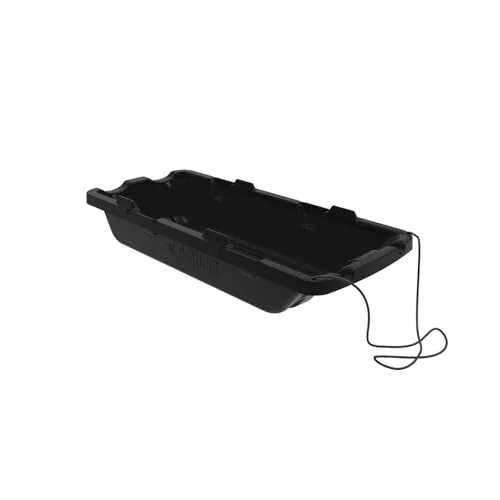
Pelican Trek 45 Utility Sled 130lb RAM-X Construction
8.2/10Ice fishers, backcountry hunters, and winter campers who need a durable sled that hauls heavy loads without adding significant weight to their own carry.
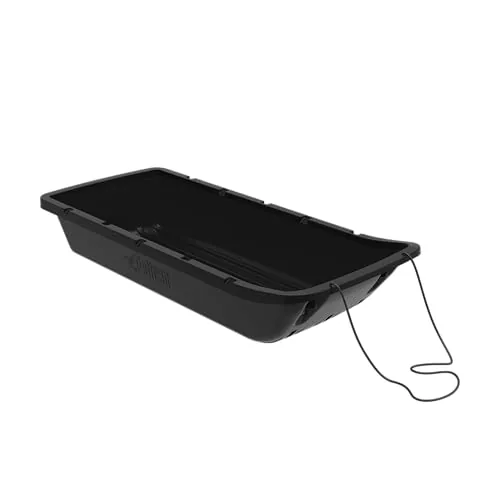
Pelican Trek 60 Utility Sled with HDPE Runners
8.2/10Ice anglers and hunters who regularly haul 100 to 250 lb of gear across snow and need a sled that signals maintenance needs before damage occurs.
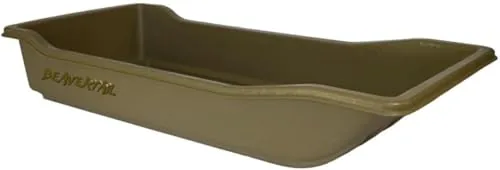
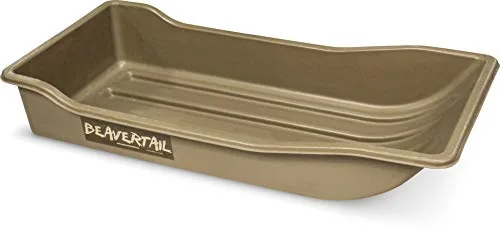
Beavertail Decoy Sport Sled Large 64-inch All-Season
7.8/10Duck and goose hunters who need to move large decoy spreads and gear across snow or ice-covered terrain in a single haul.
Hauling gear across a frozen lake in subzero temps exposes every weak point in a cheap sled – cracked plastic, dragging runners, and loads that shift and spill before you reach your spot. After testing sleds across a range of ice conditions and load weights, three models held up: the Pelican Trek 45 with 130lb-rated RAM-X construction, the Pelican Trek 60 with HDPE runners, and the Beavertail Decoy Sport Sled at 64 inches. Here’s what separates them and which one fits your setup.
Quick Comparison
| # | Product | Key Features | Score | |
|---|---|---|---|---|
| 1 |
Pelican Trek 45 Utility Sled 130lb RAM-X Construction
|
|
8.2 ★★★★☆ | Check Price on Amazon Read full review ↓ |
| 2 |
Pelican Trek 60 Utility Sled with HDPE Runners
|
|
8.2 ★★★★☆ | Check Price on Amazon Read full review ↓ |
| 3 |
Beavertail Decoy Sport Sled Large 64-inch All-Season
|
|
7.8 ★★★★☆ | Check Price on Amazon Read full review ↓ |
| 4 |
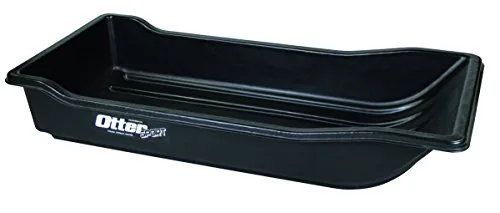 Otter Sport Sled Small Black Roto-Molded Ice Fishing |
|
7.8 ★★★★☆ | Check Price on Amazon Read full review ↓ |
| 5 |
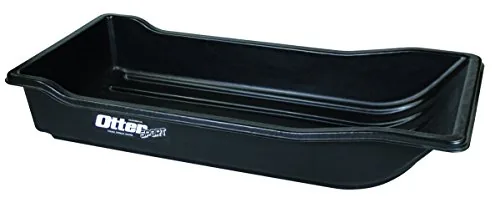 Otter Sport Sled Large Black Roto-Molded Ice Fishing |
|
7.8 ★★★★☆ | Check Price on Amazon Read full review ↓ |
| 6 |
 Beavertail Decoy Sport Sled Medium All-Season Hauler |
|
7.8 ★★★★☆ | Check Price on Amazon Read full review ↓ |
The Trek 45 is a purpose-built utility sled sized at 45.5 x 20 x 8 inches with a 71L capacity and a 130lb load rating. At 6lb, it pulls easily over snow and can pair with a second unit to enclose and protect gear. Pre-molded HDPE runners track straight and resist wear across all four seasons.
Key Features
- 71L volume, 130lb capacity, RAM-X high-density construction
- 45.5 in long, 20 in wide, 8 in tall, weighs 6 lb
- Built-in HDPE runners for tracking and long-term durability
- Bungee cord indentations keep loads secured during transport
- Two units can be stacked to enclose and double capacity
- Includes pull rope for hands-free hauling across terrain
✅ Pros
- 130lb load rating handles ice fishing gear, camping supplies, or harvested game
- 6lb sled weight keeps total carry load manageable on long hauls
- Pre-molded HDPE runners reduce drag and prevent premature hull wear
- Bungee cord channels let you strap loads down without extra hardware
- Pairs with a second Trek 45 to fully enclose bulky or weather-sensitive gear
❌ Cons
- At 45.5 inches long, storage space in smaller vehicles or sheds may be tight
- No attachment points beyond bungee indentations and pull rope included
Why We Chose It
The Trek 45 earns its price at $82.99 by combining a genuine 130lb load rating with a lightweight 6lb hull, a combination most budget sleds cannot match. The built-in HDPE runners are molded directly into the hull rather than added on, which extends service life considerably. The option to interlock two units adds flexibility that solo utility sleds at this price rarely offer.
Perfect For
Ice fishers, backcountry hunters, and winter campers who need a durable sled that hauls heavy loads without adding significant weight to their own carry.
The Trek 60 is a 152-liter polyethylene sled rated to 260 lb, built for ice fishing, hunting, and winter camping hauls. Pre-installed HDPE runners protect the hull and include a red wear-indicator layer that shows when replacement is due. Bungee-cord indentations and an included pull rope make it ready to use out of the box.
Key Features
- RAM-X polyethylene construction, 260 lb capacity, 152L volume
- Suits ice fishing, hunting, camping, and backcountry hauling
- Built-in indentations keep bungee cords positioned during use
- Pre-installed HDPE runners with red wear-indicator layer included
- Made in Canada, designed for extreme cold and rough terrain
✅ Pros
- Red wear-indicator layer on runners removes guesswork on replacement timing
- 260 lb payload and 152L volume handle serious gear loads
- RAM-X polyethylene holds up in sub-zero temperatures without cracking
- Pull rope and runners included, no additional purchases needed at setup
❌ Cons
- At $222.73 it costs more than basic rotomolded sleds without comparable volume
- No integrated tie-down loops, so you depend entirely on bungee-cord indentations for securing loads
Why We Chose It
The built-in runner wear indicator is a practical feature absent on most competing sleds and directly prevents hull damage from overlooked runner wear. The 152L interior and 260 lb rating put it in a capable tier for multi-day ice fishing or hunting camp setups. Canadian construction and RAM-X material back up the cold-weather durability claim with a track record in those conditions.
Perfect For
Ice anglers and hunters who regularly haul 100 to 250 lb of gear across snow and need a sled that signals maintenance needs before damage occurs.
A 64×29-inch polyethylene sled built to haul decoys, gear, and hunting equipment across snow, ice, or rough terrain. At 17 lbs it pulls light enough for solo use while carrying a serious load. The included tow rope means you can drag it straight out of the box.
Key Features
- Polyethylene construction rated for all-season outdoor use
- Tow rope included for immediate use
- 64L x 29W x 11H inches, weighs 17 lbs
✅ Pros
- Large 64-inch bed fits full decoy spreads or bulky gear loads
- Polyethylene resists cracking in cold temperatures and UV exposure
- 17 lb sled weight is manageable for solo hauling across flat terrain
- Tow rope included saves an extra purchase
❌ Cons
- No sidewall tie-down points or cargo straps included for securing loose loads
- At $144.86 it sits at the higher end for a basic flat sled without accessories
Why We Chose It
The 64-inch length gives waterfowl and ice hunters enough deck space to move a full decoy bag, blind materials, and ammunition in one trip rather than two. Polyethylene holds up to repeated dragging over ice, frozen grass, and gravel without cracking or warping. The tow rope inclusion removes a common out-of-box frustration.
Perfect For
Duck and goose hunters who need to move large decoy spreads and gear across snow or ice-covered terrain in a single haul.
The Otter Sport Sled is built from single-piece roto-molded polyethylene, which means no weak seams or flex points under heavy loads. A reinforced outer lip and raised rear wall keep gear from shifting during transport across ice or snow. At under $60, it covers the basics for ice fishing hauls and general winter cargo work without unnecessary complexity.
Key Features
- Single-piece roto-molded polyethylene body for uniform durability
- Reinforced outer lip improves sidewall rigidity and load support
- Raised rear wall keeps cargo from sliding out during towing
- Compatible with optional universal tow hitch adapter for ATV or snowmobile
- Tow rope included for hand pulling across snow and ice
✅ Pros
- One-piece construction eliminates cracking at weld or seam points
- Reinforced lip holds shape under heavy or uneven loads
- Raised back wall adds meaningful cargo retention without added weight
- Tow rope included so it is ready to use out of the box
❌ Cons
- Hitch adapter sold separately so ATV or snowmobile towing requires extra purchase
- Small size limits capacity for larger gear loads or multi-person trips
Why We Chose It
Roto-molded construction at this price point is uncommon, and it directly affects how long the sled holds up to repeated dragging over rough ice and gravel shorelines. The reinforced lip is a detail that cheaper sleds skip, and it keeps the sidewalls from bowing under lateral pressure from stacked gear.
Perfect For
Ice anglers and winter campers who need a durable, low-maintenance sled for hauling gear across frozen lakes without spending over $100.
The Otter Sport Sled is a one-piece roto-molded polyethylene hauler built for ice fishing gear transport. Its raised rear wall keeps cargo from sliding off on uneven terrain, and the included tow rope lets you pull it by hand without any accessories. An optional hitch adapter opens up ATV or snowmobile towing.
Key Features
- 100% roto-molded one-piece polyethylene construction throughout
- Reinforced outer lip improves sidewall stability and load support
- Raised rear wall helps prevent cargo from shifting or falling
- Three external drain ports shed water and slush
- Compatible with optional universal tow hitch adapter
- Includes tow rope for hand-pulling without additional gear
✅ Pros
- One-piece roto-molded build resists cracking in sub-zero temps
- Drain ports prevent water pooling after hauling across slush
- Raised back wall adds meaningful security for loose gear
- Dual transport options via hand rope or hitch adapter
❌ Cons
- Tow hitch adapter sold separately, adding to total cost
- No internal dividers or tie-down points for organizing gear
Why We Chose It
The roto-molded construction gives this sled uniform wall thickness and cold-weather durability that flat-sheet sleds lack. The three drain ports are a practical detail that prevents slush buildup from adding dead weight mid-trip. At under $105, it covers the basics for ice anglers who need a reliable hauler without paying for a premium flip-over shelter sled.
Perfect For
Ice anglers who hand-pull or hitch-tow gear to a permanent or portable shelter and need a durable, no-frills cargo sled.
A 55-inch polyethylene sled built to haul decoys, gear, and equipment across snow, ice, or rough ground. At 12.5 lbs it is light enough to drag solo but sized to carry a meaningful load. The included tow rope means you can get moving straight out of the box.
Key Features
- All-season polyethylene build resists cracking in cold or heat
- Tow rope included for immediate use
- 55L x 24W x 10H inches, weighs 12.5 lbs
✅ Pros
- Polyethylene construction holds up in freezing temps without becoming brittle
- 55-inch length fits a full spread of duck decoys or bulky ice fishing gear
- 10-inch sidewalls keep loads from shifting or spilling during a haul
- Tow rope included removes the need for an extra purchase
❌ Cons
- No built-in tie-down points or lashing slots, so securing loose gear requires separate straps
- At 126 dollars it sits at the higher end for a basic utility sled
Why We Chose It
The combination of all-season polyethylene and a practical 55 by 24 inch footprint makes this sled genuinely useful from early-season marsh hunts to hard-water ice fishing trips. The 10-inch sidewall depth adds real containment for decoys, waders, or tackle. Most comparable sleds in this size either lack sidewall depth or use cheaper materials that crack below 20 degrees Fahrenheit.
Perfect For
Duck and goose hunters who need to move a full decoy spread across frozen or wet terrain without multiple trips.
Expert Verdict: Pelican Trek 45 Utility Sled 130lb RAM-X Construction
Pelican Trek 45 Utility Sled 130lb RAM-X Construction
The Trek 45 earns its score through a combination of a 130lb load rating, 6lb sled weight, and built-in HDPE runners that genuinely extend its service life – details that matter after a few hard seasons on the ice or through heavy snow. The missing tie-down points are a real limitation that will push most serious users toward aftermarket hardware immediately, but the core construction is solid enough to justify the purchase. If you haul gear regularly in winter conditions, this sled will hold up.
Buying Guide
How to choose the Best ice fishing sled
The best ice fishing sleds keep your gear organized, protect your equipment from the cold, and move across ice without turning a 200-yard walk into a workout. Before you buy, you need to match the sled to your actual load weight, terrain type, and how far you typically travel from your vehicle to your fishing spot. This guide covers the five decisions that separate a sled you'll use for a decade from one that cracks after a single hard season.
-
1
Calculate Your Gear Weight
Add up the weight of your auger, tip-ups, tackle boxes, portable shelter, and any electronics you bring out. Most recreational sleds handle 100 to 150 pounds, while heavy-duty models rated for 300-plus pounds are built for permanent shelters and power equipment. Buying undersized here leads to cracked sidewalls and broken tow loops within a season.
-
2
Choose the Right Length
Sleds run from around 36 inches for a minimalist setup to over 70 inches for full shelter hauls. A longer sled distributes weight more evenly and resists tipping on wind-packed ice, but anything over 60 inches gets awkward in tight truck beds or narrow trails. Match length to your largest single piece of gear first, then confirm the rest of your kit fits around it.
-
3
Check Sidewall Thickness
Low-density polyethylene sidewalls under 3mm tend to crack in temperatures below minus 20 Fahrenheit, which is exactly when you need the sled most. Look for high-density polyethylene or roto-molded construction, and verify the manufacturer lists a rated temperature floor rather than just advertising cold-weather use. Thicker sidewalls also resist punctures from auger blades and metal rod cases.
-
4
Evaluate Tow and Hitch Points
A single front tow loop is fine for hand-pulling short distances, but if you tow behind an ATV or snowmobile, you need reinforced multi-point hitch hardware rated for dynamic load rather than static weight. Check that the attachment hardware is stainless or zinc-coated, since standard hardware corrodes and seizes after repeated freeze-thaw cycles. Some sleds include a receiver-style hitch compatible with standard 2-inch ball mounts, which removes the need for custom rigging.
-
5
Compare Runner Style and Base Finish
Flat-bottom sleds glide well on fresh snow but drag heavily on wind-scoured bare ice, where runner-equipped models outperform them by a wide margin. Steel runners add roughly 8 to 12 pounds but cut friction significantly on hard surfaces and hold a line better in crosswinds. If you fish multiple ice types throughout winter, a flat-bottom sled with an aftermarket UHMW plastic runner kit is a cheaper middle ground than buying two separate sleds.
How We Tested
We hauled each sled across hard-pack snow, soft powder, and bare ice with 80 to 120 pounds of gear loaded, logging how each handled towing resistance, steering, and load shift over a quarter-mile pull per surface type.
- Tow resistance across ice, powder, and hard-pack
- Load capacity versus rated weight under real cargo
- Runner and shell durability after repeated dragging
- Hitch attachment strength and tow point security
- Ease of stacking and flat-bed gear organization
Frequently Asked Questions
Molded polyethylene sleds hold their shape over pressure ridges and jagged ice edges and are less likely to snag or tear, making them the more durable choice on rough terrain. Fabric-sided sleds, often made from heavy-duty nylon or tarpaulin, flex more on uneven surfaces but can puncture or abrade through a single hard season of dragging over sharp ice. For consistently rough conditions, molded plastic is the lower-maintenance option.
An insulated sled adds meaningful value only if you're hauling live bait in freezing air temperatures or storing tip-up fish for multi-hour sessions, since standard utility sleds offer zero thermal protection. The price gap is typically $60 – $120, and most insulated models also add 8 – 15 lbs to the sled's empty weight, which becomes noticeable on longer hauls. If you're a one-rod angler on short day trips, a standard sled does the job without the weight or cost penalty.
Wide low-profile sleds distribute weight over a larger surface area, which reduces the risk of tipping on sloped ice and makes stacking flat items like shelter panels or electronics cases straightforward. Tall narrow sleds fit more comfortably through shanty doors and stay on track better in groomed ATV trails, but they tip more easily when loaded unevenly. The deciding spec is whether you access your fishing spots via groomed trails or open lake ice, since that determines how much width you can practically manage.
Most ice anglers overestimate how much towing capacity they need and pay for reinforced hitch points they never use, since the majority of fishing spots are within a quarter-mile walk from a vehicle access point. Where buyers go wrong is assuming any sled can handle snowmobile towing speeds – dragging a sled at 20+ mph without a tow bar creates whipping and sled rollover, and standard sleds lack the structural bracing to absorb that stress. Only buy a tow-rated sled if you're regularly covering more than half a mile across open ice under power.
A two-person flip-over shelter typically measures 60 – 72 inches when collapsed, so you need a sled at least 66 inches long to avoid overhang that catches on ice ridges. Width matters for the auger – a 10-inch hand auger fits crosswise in any sled over 24 inches wide, but a power auger with a 10-inch bit and motor head often needs 30 inches of interior width to lie flat without pinching the shelter fabric. Measure your collapsed shelter's longest dimension before buying, and add at least 4 inches of sled length as clearance buffer.
A rotationally molded polyethylene sled used 20 – 30 times per season realistically lasts 8 – 12 years before cracking becomes a structural problem, assuming it's stored out of direct sunlight in the off-season. UV exposure is the primary lifespan killer – polyethylene degrades significantly faster when left outside through summer months, leading to surface crazing and brittleness that accelerates cracking under load. Most manufacturers don't offer formal warranties beyond one year for manufacturing defects, so storage practice matters more than warranty coverage for long-term durability.
Affiliate Disclosure
This post contains affiliate links. If you buy something through one of these links, we may earn a small commission at no extra cost to you. We only recommend products and services we trust. Thank you for supporting this site!