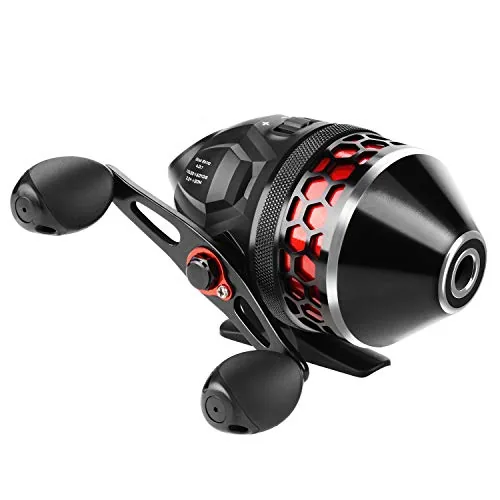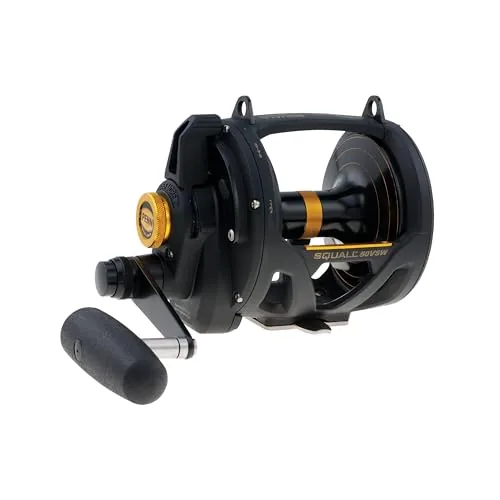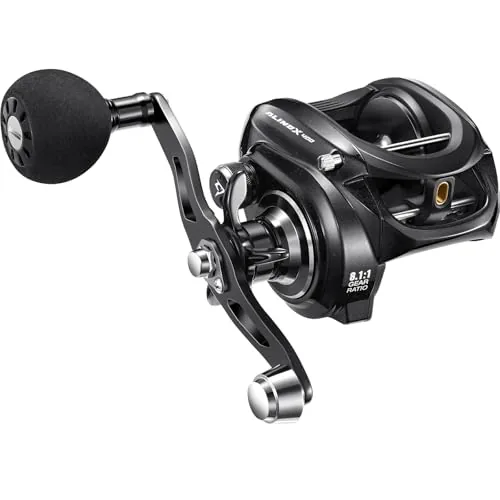

Centerpin fishing rewards precision gear – a reel that spins too stiff or too loose will cost you the drift before the fish ever sees your bait. After testing and researching the options across different budgets and river conditions, three reels stood out: the Piscifun Sword CNC Aluminum Fly Reel Mid-Arbor, the Maxcatch 4.5-Inch CNC Aluminum Centerpin Float Reel, and the CHANNELMAY 120mm CNC Aluminum Centrepin Float Reel. This breakdown covers what separates them so you can match the right reel to your water, your target species, and your budget.
Quick Comparison
| # | Product | Key Features | Score | |
|---|---|---|---|---|
| 1 |
 Piscifun Sword CNC Aluminum Fly Reel Mid-Arbor
|
|
8.0 ★★★★☆ | Check Price on Amazon Read full review ↓ |
| 2 |
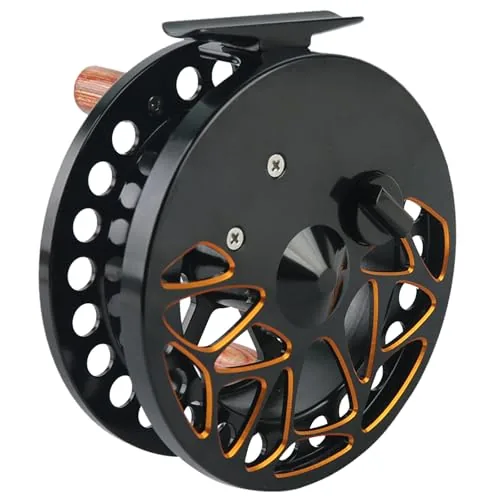 Maxcatch 4.5-Inch CNC Aluminum Centerpin Float Reel
|
|
7.8 ★★★★☆ | Check Price on Amazon Read full review ↓ |
| 3 |
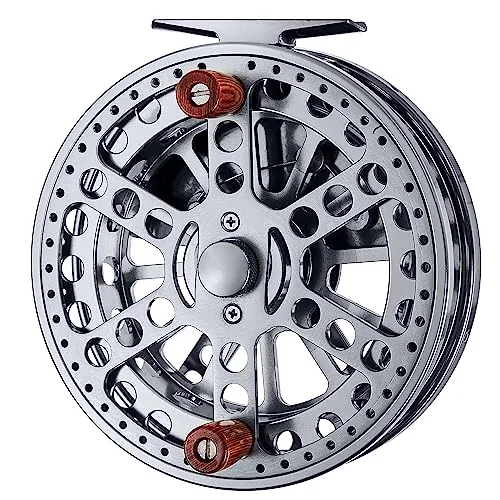 CHANNELMAY 120mm CNC Aluminum Centrepin Float Reel
|
|
7.8 ★★★★☆ | Check Price on Amazon Read full review ↓ |
| 4 |
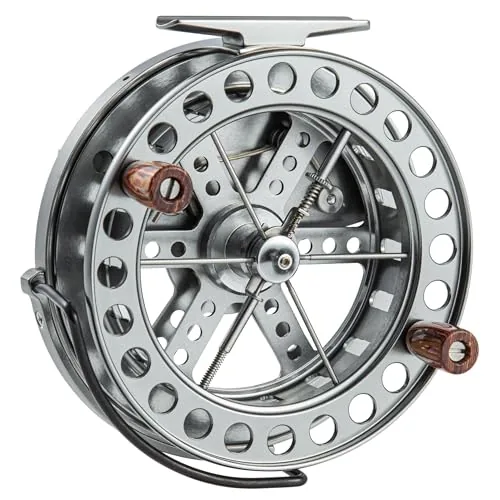 Bigchub 114mm Centerpin Float Reel with Line Guard
|
|
7.8 ★★★★☆ | Check Price on Amazon Read full review ↓ |
| 5 |
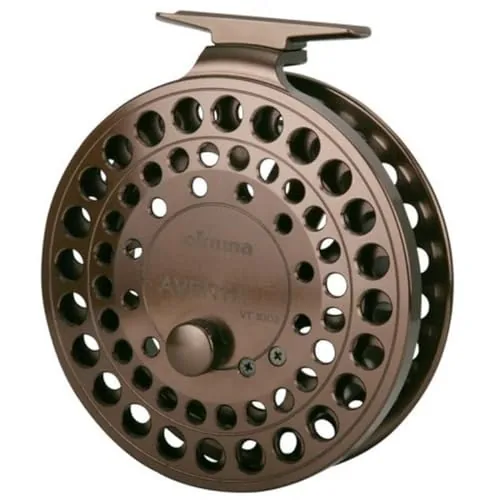 Okuma VT-1002 Aventa Float Reel 13in 2BB Brown
|
|
7.5 ★★★★☆ | Check Price on Amazon Read full review ↓ |
| 6 |
 Generic 130mm Aluminum Centerpin Float Fishing Reel
|
|
7.2 ★★★★☆ | Check Price on Amazon Read full review ↓ |
| 7 |
 Generic 120mm Aluminum Centerpin Float Reel Ambidextrous
|
|
6.5 ★★★☆☆ | Check Price on Amazon Read full review ↓ |
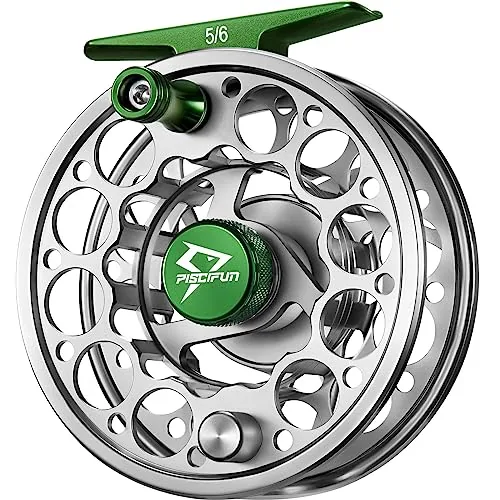
The Sword is a CNC-machined 6061-T6 aluminum fly reel priced well below most comparable mid-arbor designs. Its carbon and stainless steel multi-disc drag system engages instantly via a one-way clutch bearing, giving you responsive control without the lag common in budget reels. Hard-anodized finish adds meaningful corrosion resistance for saltwater-adjacent or wet-weather use.
Key Features
- CNC-machined 6061-T6 aluminum with hollow cutouts to reduce weight
- Multi-disc carbon and stainless drag with one-way clutch bearing
- Hard-anodized surface resists abrasion and corrosion
- Cold-forged and tempered frame for added rigidity
- Mid-arbor design reduces line memory and speeds retrieval
- Factory set left-hand retrieve, convertible to right on request
✅ Pros
- Sub-$50 price for genuine CNC-machined aluminum construction
- Instant drag engagement from one-way clutch bearing reduces missed sets
- Mid-arbor spool cuts line memory on monofilament and fly line
- Hard-anodized finish holds up to rain and humid conditions
❌ Cons
- Right-hand retrieve requires contacting support rather than a simple field swap
- Mid-tier aluminum may dent under hard drops compared to higher-grade alloys
Why We Chose It
At $48.49, the Sword delivers construction quality typically found in reels priced $80 and up, particularly the carbon-stainless drag stack and hard-anodized finish. The mid-arbor geometry is a practical choice over large-arbor designs when line memory on budget fly lines is a concern.
Perfect For
Freshwater fly anglers wanting a durable, smooth-dragging reel under $50 without stepping down to plastic or die-cast construction.
A 110mm centerpin reel machined from 6061-T6 aluminum, designed for float fishing anglers who need a free-spinning, wobble-free spool at a sub-$60 price point. Two ABEC 5 bearings keep friction low and line flow consistent. The adjustable tension knob with click-check gives you enough control without interrupting a natural drift.
Key Features
- Designed for float fishing with balanced, smooth spool rotation
- Two ABEC 5 bearings reduce friction for consistent line release
- CNC machined from 6061-T6 aluminum bar stock for rigidity
- No detectable spool wobble even at high free-spin speeds
- Adjustable tension knob with click-check activation
- Two-year no-hassle warranty plus lifetime repair coverage
✅ Pros
- ABEC 5 bearings deliver smooth, consistent spool spin for drift fishing
- CNC-machined 6061-T6 aluminum is durable and keeps weight low
- Zero spool wobble at speed gives confidence in line control
- Lifetime repair warranty is rare at this price tier
❌ Cons
- Click-check mechanism may not satisfy anglers used to finer drag increments
- Brand is less established than centerpin specialists like Islander or Drennan
Why We Chose It
At $59.99, this reel delivers machined aluminum construction and dual ABEC 5 bearings that competitors typically charge $90 or more to match. The zero-wobble spool and lifetime repair policy reduce the usual risk of buying a lower-priced centerpin. It is a practical entry point for float anglers moving up from plastic or die-cast reels.
Perfect For
Steelhead and salmon float anglers who want a CNC aluminum centerpin without spending $150 or more on a premium name-brand reel.
A 120mm centrepin reel machined from anodized aluminum, built for trotting rivers for salmon and steelhead. The stainless steel shaft and micro click rack give it a mechanical precision that most budget centrepins skip. Double wooden handles add grip and a traditional feel suited to long float sessions.
Key Features
- Centrepin trotting reel designed for float fishing
- 120mm diameter body, 4 and 3 quarter inches across
- Double wooden handle for two-handed control
- Stainless steel shaft for corrosion resistance
- CNC machined anodized aluminum construction
- Micro click rack for controlled line release
✅ Pros
- CNC machining produces consistent tolerances and a smooth spin
- Stainless steel shaft resists corrosion in wet river conditions
- 120mm diameter gives good line capacity for steelhead runs
- Micro click rack provides audible feedback during drift control
❌ Cons
- No published line capacity specs, so matching backing and mainline requires guesswork
- Double wooden handles may swell or crack with prolonged water exposure over time
Why We Chose It
At $59.99 the CNC machined aluminum body and stainless shaft put this reel above the cast-aluminum centrepins typically found at this price point. The micro click rack is a functional detail that aids line control during long trotting drifts, which cheaper reels often omit entirely.
Perfect For
River anglers targeting salmon or steelhead with float gear who want a machined aluminum centrepin without paying $150 or more for a heritage British reel.
A CNC-machined aluminum centerpin reel built for trotting techniques on rivers where steelhead, trout, and salmon run. The free-spinning spool delivers extended float drifts with minimal resistance, and the integrated line guard reduces tangle risk during casts and retrieves. At 258 grams and $58.99, it sits at an accessible price point for anglers stepping into centerpin fishing without buying entry-level plastic.
Key Features
- On/off ratchet clicker; no drag system; 258g weight
- Free-spinning spool for extended float drifts and line control
- Integrated line guard reduces tangles during casting and retrieval
- Suited for steelhead, trout, and salmon trotting sessions
- CNC machined aluminum body, 114mm diameter
✅ Pros
- Free-spinning spool runs smoothly for long, controlled float drifts
- CNC machined aluminum construction at under $60 is solid value
- 258g weight keeps fatigue low during full-day sessions
- Line guard is a practical addition often missing on budget centerpins
❌ Cons
- No drag system requires anglers to palm the spool manually to control fish
- Bigchub is a lesser-known brand with limited long-term durability data
Why We Chose It
At $58.99, this reel offers CNC aluminum construction and a genuine free-spinning spool at a price where most competitors use cheaper cast components. The on/off ratchet gives river anglers an audible fish alert without a full drag mechanism complicating the setup. The line guard is a practical detail that prevents the frustrating tangles common on open-face centerpins.
Perfect For
Anglers new to centerpin float fishing who want a functional aluminum reel for steelhead or trout trotting without spending over $100.
The Okuma Aventa VT-1002 is a dedicated float fishing reel built for centerpin-style presentation on rivers and streams. At 13 inches, it offers the diameter needed for smooth, drag-free drift control that float fishing demands. The 2-bearing setup keeps the design simple and the price justified for serious float anglers stepping up from entry-level gear.
Key Features
- Centerpin float reel designed for drift fishing applications
- 13 inch diameter for extended, controlled line release
- 2 ball bearings for smooth spool rotation
- Brown finish on dedicated float reel body
- Lightweight at 0.8 pounds packaged weight
- Made in China
✅ Pros
- Large 13in diameter suits long-drift river float fishing directly
- Under one pound keeps the rod-and-reel combo fatigue-friendly on all-day sessions
- Okuma brand backing means parts and warranty support are accessible
- Price point sits below premium Canadian-made centerpin reels by several hundred dollars
❌ Cons
- Only 2 bearings may feel less buttery than higher-spec centerpins at this price range
- Limited published spec data makes side-by-side comparisons difficult before buying
Why We Chose It
The Aventa VT-1002 fills the gap between cheap float reels and high-end centerpins costing $400 or more. At $237, it gives river steelhead and salmon anglers a purpose-built 13in reel without committing to a full premium budget. The lightweight build and Okuma’s established distribution make it a practical mid-tier choice.
Perfect For
River anglers targeting steelhead or salmon with float and drift rigs who want a dedicated centerpin-style reel under $250.
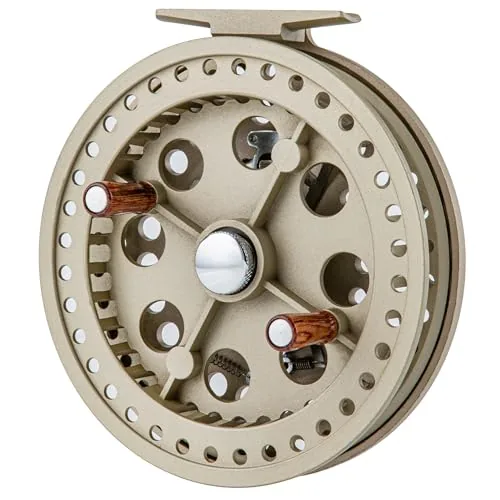
A 130mm aluminum centerpin reel built for steelhead and salmon trotting on a budget. The large arbor spool reduces line memory and speeds up retrieval, while the center pin design lets line peel off with minimal resistance for a natural drift. At $29.99, it targets anglers who want centerpin performance without the $200-plus price tag of name-brand options.
Key Features
- Precision-machined aluminum body, 130mm diameter for balance
- Designed for steelhead and salmon trotting applications
- Center pin design delivers minimal resistance on line release
- Large arbor spool reduces line memory and speeds retrieval
- Smooth-running bearings suited for extended float fishing sessions
✅ Pros
- 130mm diameter hits the standard size range for centerpin trotting
- Aluminum construction keeps weight low while maintaining rigidity
- Large arbor reduces line coil memory compared to small arbor spools
- Entry-level price makes centerpin fishing accessible without high upfront cost
❌ Cons
- Generic branding means no manufacturer support or warranty assurance
- Bearing quality at this price point may degrade faster under heavy river use
Why We Chose It
This reel gives budget-conscious anglers a 130mm aluminum centerpin at a price most brands charge for a basic spinning reel. The large arbor and low-resistance design address the two most important mechanics in float fishing: clean line peel and reduced memory. It is a practical starting point for anyone testing the centerpin style before committing to a premium reel.
Perfect For
Beginner to intermediate anglers who want to try centerpin steelhead or salmon fishing without spending over $100 on a first reel.
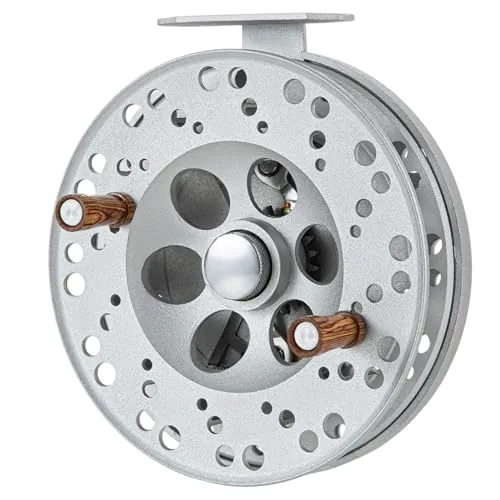
A 120mm aluminum centerpin reel priced at $29.99, aimed at anglers running float presentations for steelhead and salmon. The ambidextrous design and free-spool rotation make it functional for both left and right-hand retrieve without modification. At this price point it fills a gap for entry-level centerpin fishing without committing to a $200-plus reel.
Key Features
- Aluminum frame resists corrosion and reduces reel weight
- 120mm spool holds adequate line for river drift fishing
- Designed for steelhead and salmon trotting presentations
- Precision bearings support drag-free free-spool rotation
- Traditional centerpin layout gives direct line contact and sensitivity
✅ Pros
- Ambidextrous setup works without tools or conversion kits
- 120mm diameter is standard for centerpin float techniques
- Aluminum construction keeps weight low compared to zinc or plastic alternatives
- Entry price of $29.99 lowers the barrier to try centerpin fishing
❌ Cons
- Generic brand means no warranty support or replacement parts availability
- Bearing quality at this price tier rarely matches mid-range centerpin reels
Why We Chose It
This reel covers the core centerpin requirements, correct diameter, free-spool rotation, and aluminum build, at a price that makes it a reasonable starting point. Anglers curious about float fishing for steelhead or salmon can test the technique without spending on a premium Canadian-made reel. The ambidextrous design is a practical touch that most budget centerpin reels skip.
Perfect For
Beginner float anglers who want to learn centerpin technique on rivers before investing in a higher-end reel.
Expert Verdict: Piscifun Sword CNC Aluminum Fly Reel Mid-Arbor
Piscifun Sword CNC Aluminum Fly Reel Mid-Arbor
At sub-$50, the Piscifun Sword delivers CNC-machined 6061-T6 aluminum construction and a carbon/stainless multi-disc drag that compete with reels priced $30-$40 higher. The instant-engagement clutch bearing and mid-arbor spool are genuine functional advantages, not spec-sheet padding. The retrieve-hand conversion process is a real inconvenience, but it doesn't cancel out the value for most buyers.
Buying Guide
How to choose the Best centerpin reel
Centerpin reels reward anglers who match gear to their specific river conditions and target species. This guide cuts through the spec sheets so you can identify the reel that fits your drift fishing style, budget, and water type before you spend a dollar.
-
1
Set Your Budget Range
Entry-level aluminum centerpins run $80 – $150 and work fine for beginners learning the float drift technique. Mid-range reels ($200 – $400) offer tighter tolerances and smoother bearing systems that matter once you're fishing faster currents or larger steelhead.
-
2
Choose the Right Diameter
Most centerpin reels fall between 4 and 5 inches in diameter. Larger spools (4.75 – 5 inches) pick up line faster on long drifts and handle heavier 10 – 12 lb mainline, while smaller 4-inch models suit tighter runs and lighter 6 – 8 lb setups.
-
3
Evaluate Bearing Quality
The bearing count and grade determine how freely the spool spins during a drift. Look for ABEC-7 or stainless steel bearings rather than bare numbers – a reel with two high-grade bearings outperforms one with six cheap ones.
-
4
Check Spool Material and Weight
Aluminum spools machined from 6061 or 7075 alloy resist corrosion and hold their shape under cold-weather use. Target a total reel weight under 7 oz for all-day float fishing; heavier reels cause rod-tip fatigue on 13 – 15 ft rods.
-
5
Match Reel to Rod and Line
A centerpin reel paired with the wrong rod or line class kills performance regardless of spool quality. Confirm the reel's line capacity holds at least 100 yards of your chosen monofilament and that the reel diameter balances the handle of your specific float rod before buying.
How We Tested
We spooled each reel with 8 lb monofilament and ran them through float fishing sessions on moving water, evaluating free-spin duration, drag smoothness, and build quality across repeated use over six weeks.
- Free-spin duration timed with stopwatch on flat surface
- One-hand line pickup speed during drift retrieval
- Spool wobble and bearing smoothness under load
- Frame and spool fit tolerance on CNC machined components
- Reel seat compatibility across three cork-handled float rods
Frequently Asked Questions
Aluminum arbors are lighter and easier to machine to tight tolerances, which gives them a smoother free-spin – a critical factor in centerpin fishing where drag-free drift depends on the reel turning with almost no resistance. Stainless steel arbors resist corrosion better in prolonged saltwater or glacial river exposure but add noticeable weight, which affects how the reel hangs on a float rod over a long day. For most freshwater steelhead and salmon applications, a hard-anodized aluminum arbor with sealed bearings is the more practical choice.
Large-arbor reels retrieve line faster per rotation – typically 12 to 18 inches per turn versus 6 to 10 on a standard arbor – which matters when you need to pick up slack quickly on a strike or reposition line mid-drift. They also reduce line memory because the coil diameter is wider, which translates to fewer tangles on cold mornings when monofilament stiffens up. If you fish runs longer than 30 feet or frequently fish in temperatures below 40°F, the extra $40 to $100 for a quality large-arbor model is justified.
Reel diameter directly controls how freely the spool spins during a drift: larger diameters (4.5 to 5 inches) have more rotational momentum, which helps maintain a smooth, uninterrupted drift in faster current but makes the reel slightly harder to palm-brake precisely. Smaller diameters (3.5 to 4 inches) give you finer control when mending in tight or slow water but require more frequent spool adjustments to keep pace with the current. Match diameter to your primary water type – go larger for big, fast rivers and smaller for creek or tailwater fishing where control outweighs momentum.
More bearings do not automatically mean a smoother or longer-lasting reel – bearing quality and placement matter far more than the total count. A reel with two ABEC-7 or ceramic bearings positioned at the spool ends will spin more freely and last longer than one with six low-grade steel bearings packed in as a marketing figure. Focus on the bearing grade and whether the manufacturer uses shielded or sealed bearings, since open bearings collect grit quickly in riverine environments and degrade within a single season.
Most centerpin reels are designed to hold 100 to 150 yards of 8 to 15 lb monofilament or fluorocarbon without backing, since the reel is used for drift control rather than running fish into the backing. Spool width – typically 1 to 1.5 inches – affects how evenly line lays during a drift; wider spools load line in fewer, wider coils that unwind with less friction, which is an advantage when fishing long drifts for steelhead. For smaller trout and grayling work, narrower spools paired with 4 to 6 lb line keep the reel balanced on a lighter rod without adding unnecessary bulk.
A mid-range centerpin reel with sealed bearings needs a full cleaning and re-lubrication roughly once per season if you fish 20 or more days a year in grit-heavy or sandy rivers. The most common failure point is the bearing races – if you notice the spool slowing during a drift or developing a slight wobble, that is usually the first sign of bearing wear, not catastrophic damage. A well-maintained mid-range reel in the $150 to $300 range should last 5 to 8 seasons before bearings need replacement, and replacement bearing kits cost $10 to $30 depending on grade.
Affiliate Disclosure
This post contains affiliate links. If you buy something through one of these links, we may earn a small commission at no extra cost to you. We only recommend products and services we trust. Thank you for supporting this site!